Costas Verdes: 30,000 Trees for the Pacific Coast
By Costas VerdesAbout This Project
Introduction to the Metaproblem
The devastation of coastal forests has severely undermined the sustainability of local economies by reducing the natural resources and ecosystem services on which they depend.
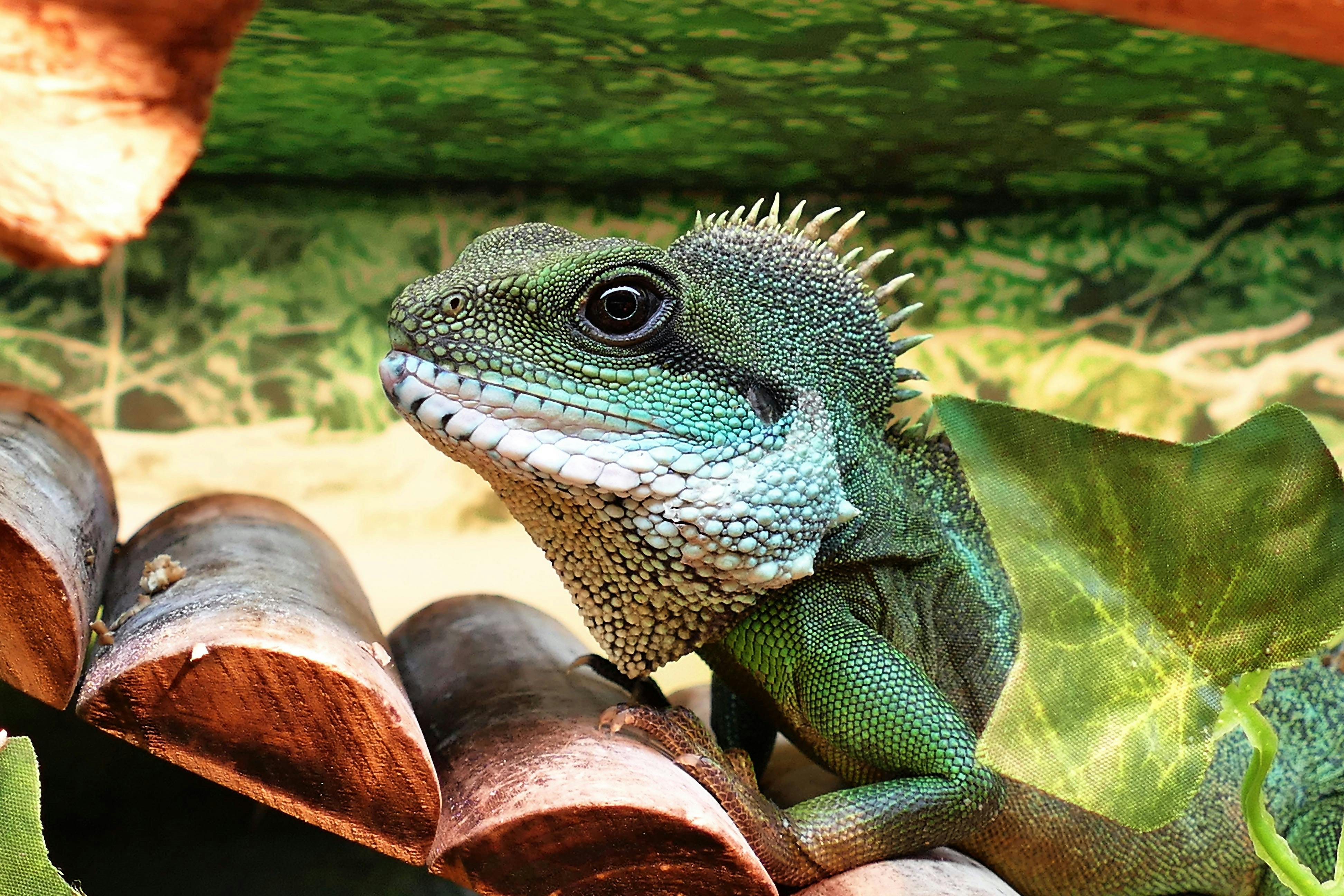
Habitat loss has had devastating consequences for countless species, placing iconic wildlife such as scarlet macaws and sea turtles at significant risk while diminishing the natural heritage that supports ecotourism.
At the same time, the loss of coastal forests has accelerated erosion and left coastal communities increasingly vulnerable to the growing impacts of climate change, including sea level rise, storm surges, extreme waves, tropical storms, hurricanes, flooding, and strong winds.
Together, these pressures threaten biodiversity, livelihoods, climate resilience, and the long-term well-being of both people and nature.
Core Problem in the Bioregion
During the agricultural and cattle ranching boom of the 1940s and 1950s, vast stretches of native coastal forests were cleared along Costa Rica's Pacific coast, particularly in Guanacaste.
Although the Maritime Terrestrial Zone Law (1977) and the creation of protected areas later safeguarded much of the remaining coastline from further development, legal protection alone was not enough to restore these ecosystems. In many places:
- Invasive grasses and other non-native species colonized the degraded land
- Severe soil erosion took hold
- The loss of native seed sources prevented natural forest regeneration
As a result, many beaches remain trapped in a degraded state — providing poor habitat for wildlife, increasing vulnerability to erosion and climate change, and reducing the ecological and economic benefits that healthy coastal forests provide to local communities.
Proposed Solution
The induced and assisted restoration of these degraded ecosystems is essential for both climate change adaptation and the mitigation of its impacts on coastal communities.
Restoring coastal forests:
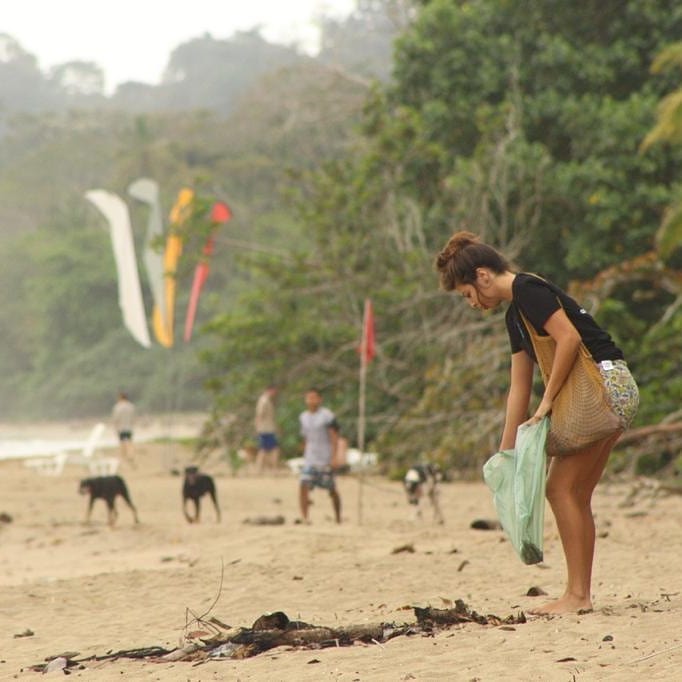
- Stabilizes sandy soils, reducing coastal erosion
- Increases moisture retention and promotes the natural regeneration of organic matter
- Reduces soil and air salinity and its corrosive effects on infrastructure
- Provides a natural buffer against sea level rise and other coastal hazards
What Makes It Unique
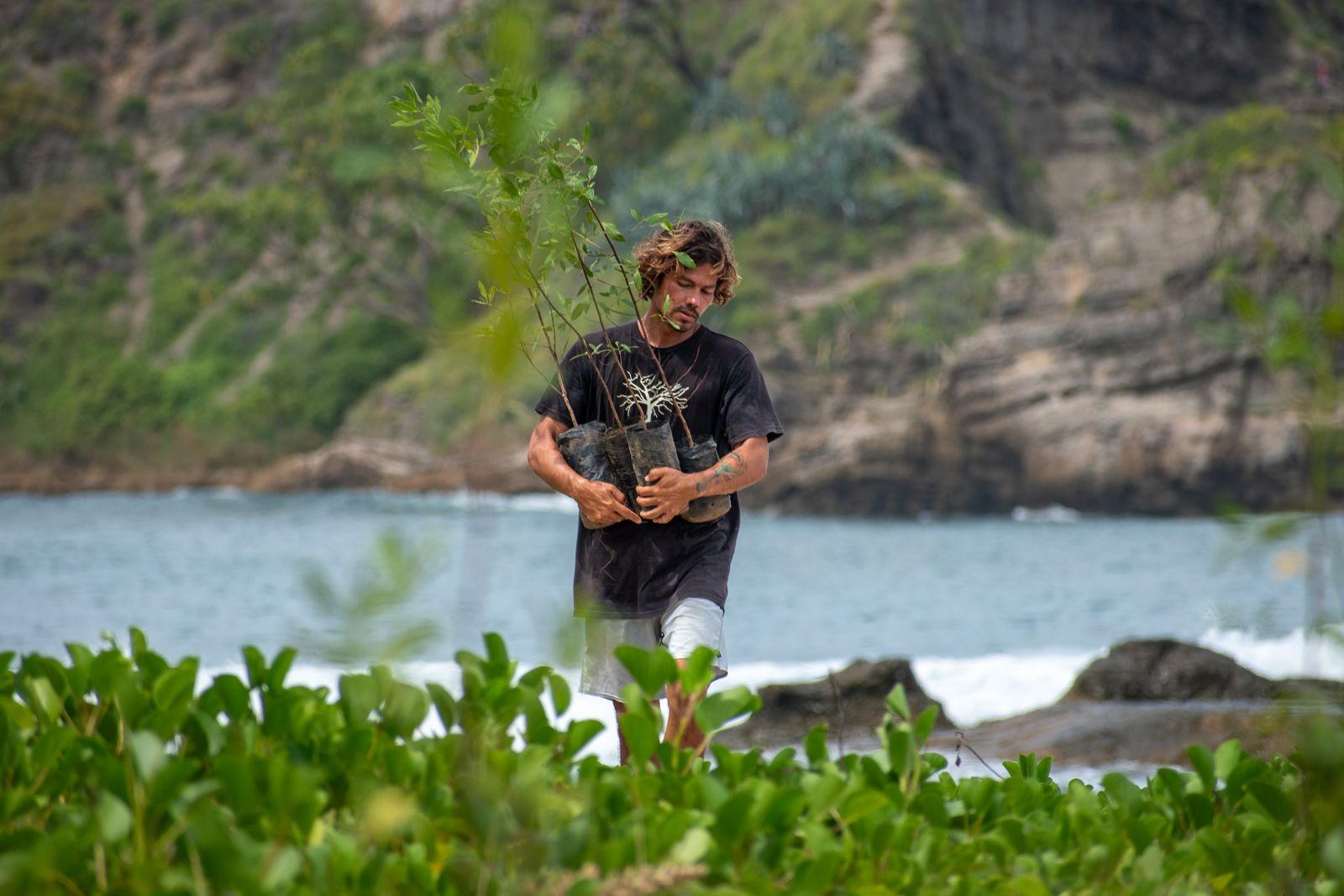
Costas Verdes has been creating, leading, and implementing coastal forest restoration projects in Costa Rica's Central Pacific (Playa Hermosa de Garabito) and Northern Pacific (Playas Guiones and Pelada in Nicoya) since 2008, under a model that requires year-round operations supported by permanent staff, equipment, materials, and facilities.
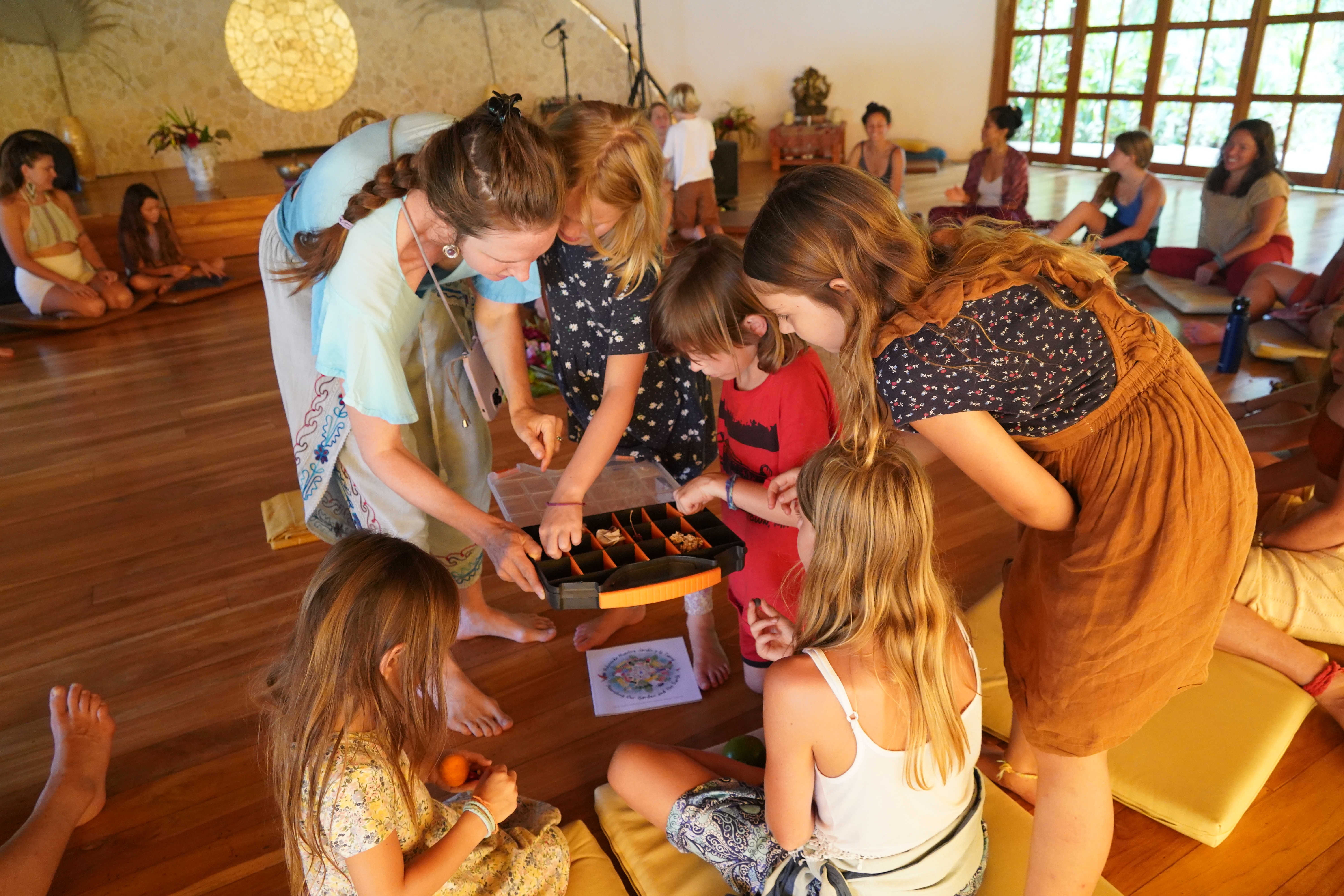
Over the years, Costas Verdes has successfully sustained this model while achieving outstanding results — restoring coastal forests across extensive beachfront areas and actively engaging local communities throughout the entire restoration process.
As a result, other coastal communities, inspired by these outcomes, have begun reaching out to express their interest in restoring the forests on their own local beaches.
Why People Should Donate
The need to restore Costa Rica's coastal forests has never been greater. Every year that passes without action means more habitat loss, increased coastal erosion, and fewer natural defenses against climate change.
Your donation has an immediate and lasting impact by helping us:
- Grow native trees
- Restore critical ecosystems
- Engage local communities in protecting their natural heritage
Together, we can transform degraded coastlines into thriving forests that benefit wildlife, people, and future generations.
Call to Action
Together, we can restore Costa Rica's coastal forests for generations to come.
Make your donation today and help us plant the seeds of a healthier, more resilient future.
Milestones & Reporting
Fundraising Goal
$361,000 to plant 30,000 trees in 2027 across 20 different beaches / coastal communities in the Pacific, involving 2,000 volunteers and 15 schools.
Short description: Plant native trees across priority beaches along Costa Rica's Pacific coast with the support of local communities, schools, volunteers, and partner organizations.
Target date: December 2027
Total budget: $361,000 ($12 per tree reproduced–planted–monitored–maintained)
Budget breakdown:
- Restoration projects (tree nurseries, reforestation, monitoring and maintenance, insumes and equipment): $270,000
- Marketing and Communications: $20,000
- Professional Services: $10,000
- Administration Costs: $62,000
Project Impacts
No Sustainable Development Goals linked yet.
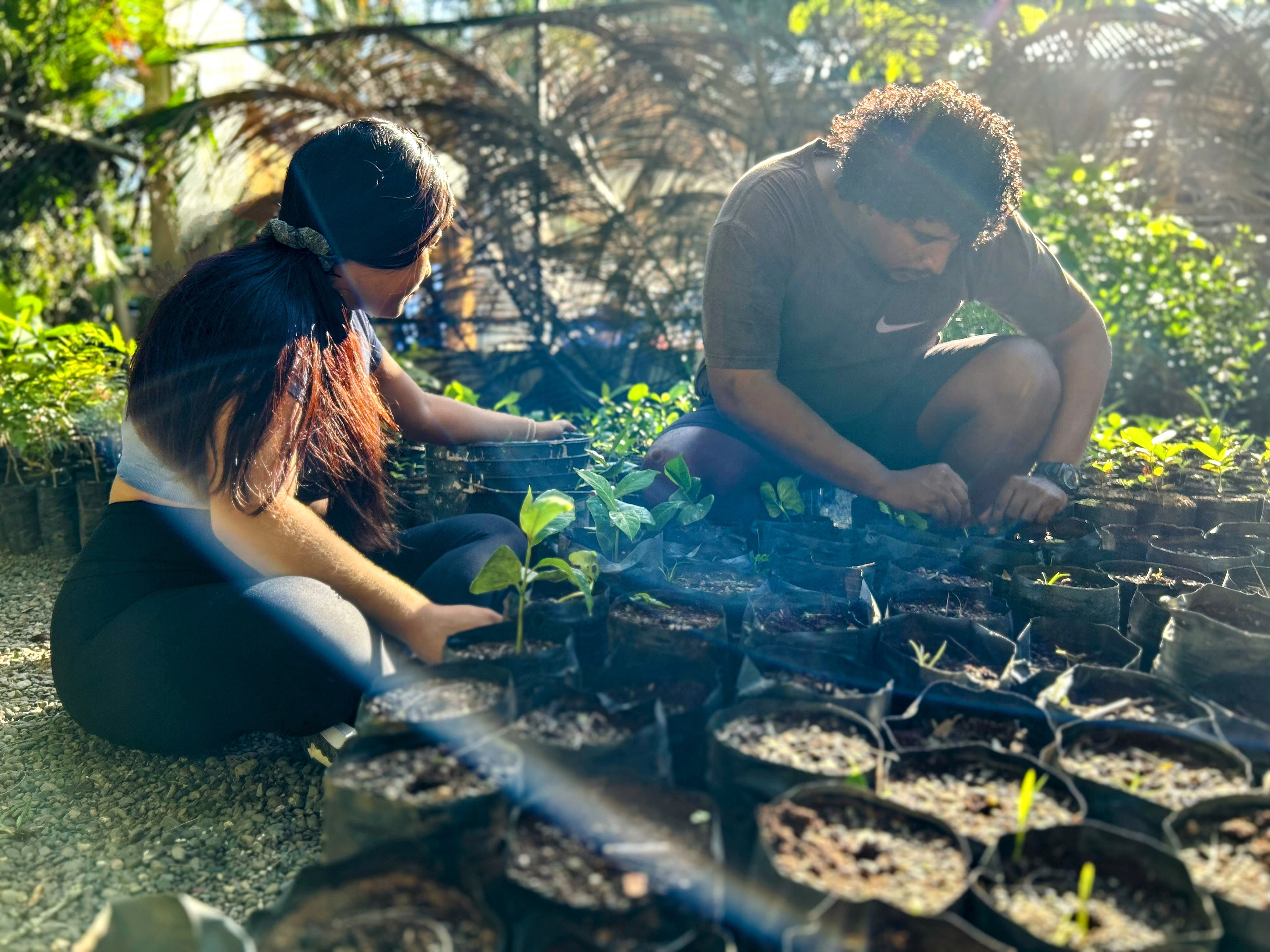
Reproduce and Grow 30,000 Trees
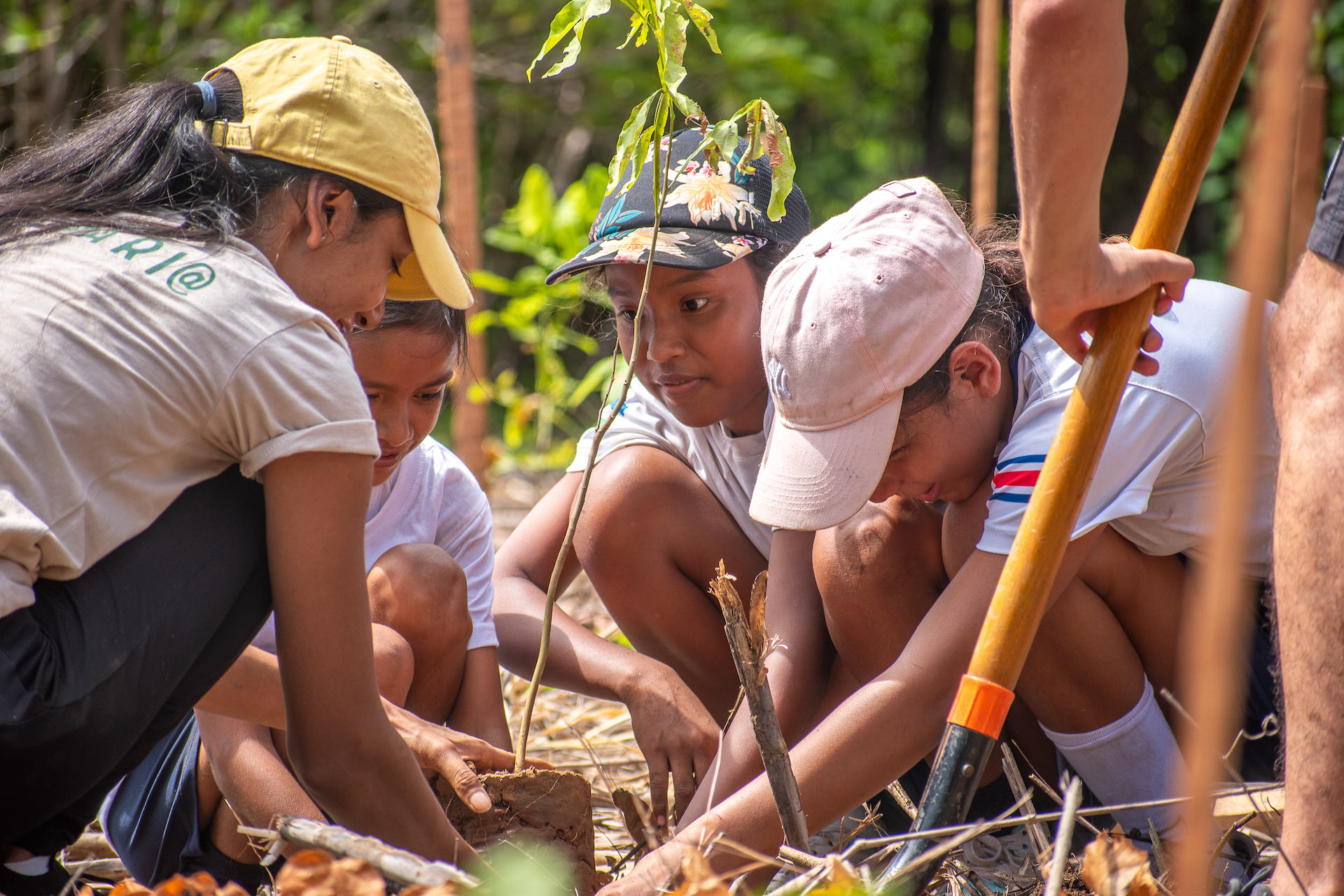
Plant 30,000 Trees in 20 Beaches
Implementation steps:
- Prepare restoration sites
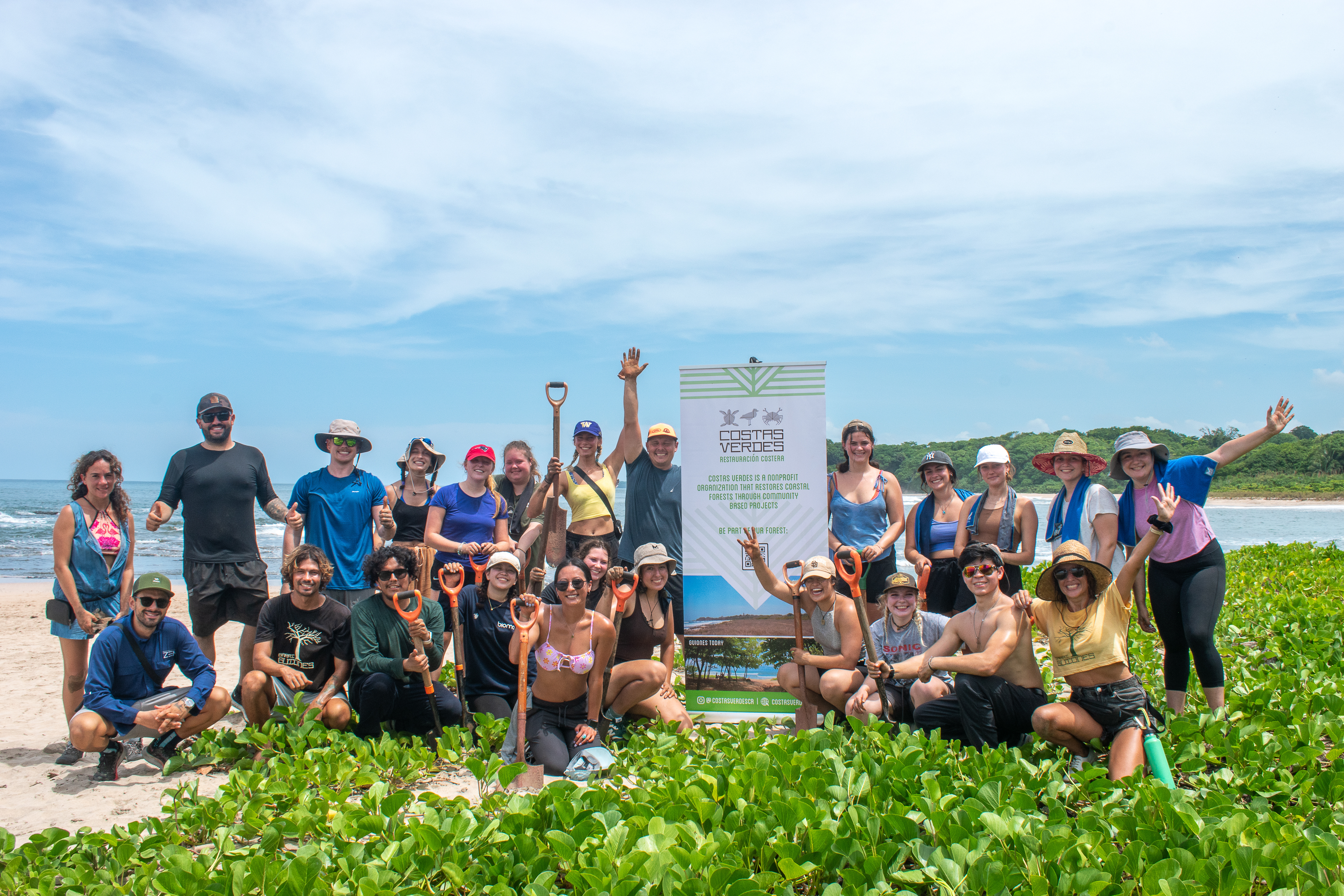
- Coordinate planting events with schools, volunteers, businesses, and local partners
- Transport seedlings to planting sites
- Plant native trees using ecological restoration best pract
Maintenance and Monitoring
Implementation steps:
- Conduct regular maintenance visits
- Control invasive grasses and competing vegetation
- Replace trees that fail to survive
- Monitor forest recovery and biodiversity indicators
- Continue engaging local commun
Costas Verdes
Costas Verdes is a Costa Rican non-profit organization founded in 2009 with the mission of restoring native coastal forests through community-based ecological restoration. What began as a grassroots effort to restore a single beach has grown into one of Costa Rica's leading organizations dedicated to coastal forest restoration.
.jpg?alt=media&token=81e7a811-b9f8-4b18-a135-260403af049a)