SikaFields: Agroforestry Mosaic Project
By Sika FieldsAbout This Project
Introduction to the Metaproblem
Across the Global South, smallholder farmers—who produce a significant portion of the world’s food—remain excluded from the rapidly growing carbon credit economy. Although nature-based carbon markets present enormous opportunities for climate mitigation, biodiversity restoration, and rural development, they remain inaccessible to most farmers due to high technical, financial, and data barriers.
This gap reinforces global inequality: the communities most affected by climate change are the least able to access climate finance.
Sikafields Technologies is addressing this systemic exclusion by integrating smallholder farmers into verified carbon programs through agroforestry, satellite mapping, and transparent MRV systems.
The issue is urgent. Farmers across Africa are facing declining yields, land degradation, and climate shocks, while globally, demand for high-integrity carbon credits far exceeds supply.
Failing to intervene would deepen climate injustice, accelerate ecological collapse, and widen gaps in achieving the Sustainable Development Goals.
Core Problem in the Bioregion
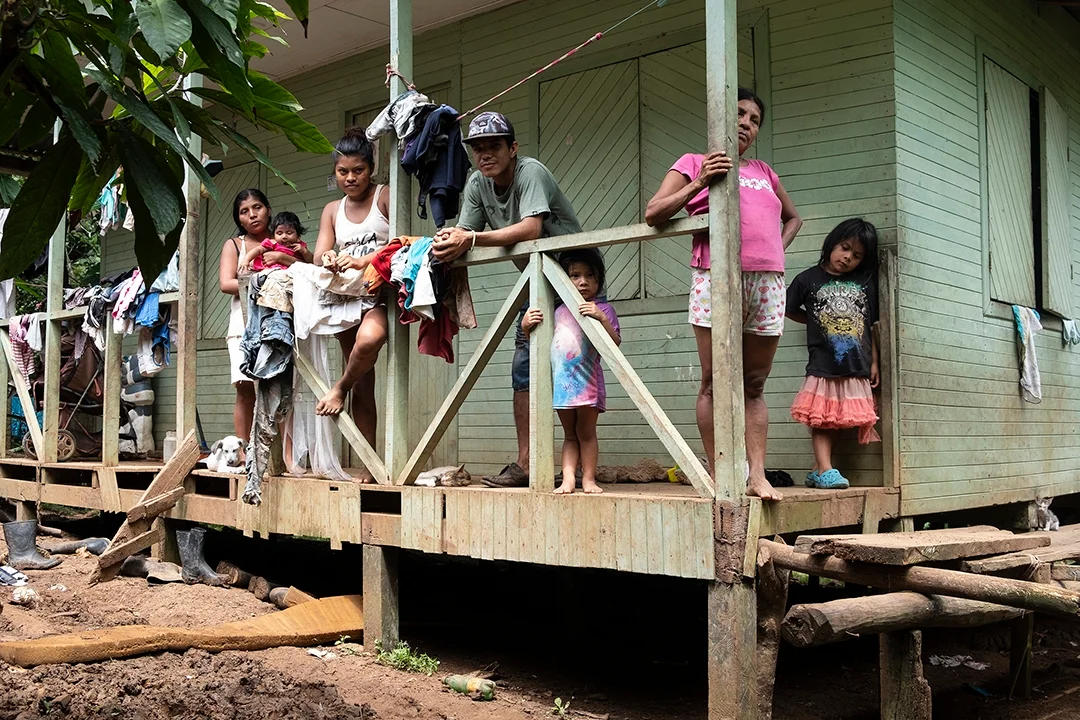
In Ghana’s Bono region, the combined pressures of deforestation, unsustainable farming, and erratic rainfall are degrading the land at an accelerating pace. Soils are losing fertility, water sources are drying up, and farms are becoming increasingly unproductive—pushing many young people to migrate and leaving aging farmers without viable livelihoods.
These changes directly affect:
- Smallholder farming communities
- Forest–savannah ecosystems
- Water catchment landscapes
Women and youth face heightened vulnerability due to limited access to land, capital, and training.
Root causes include poverty, fragmented land ownership, lack of conservation incentives, weak extension services, limited technological access, and the prohibitive cost of monitoring and verifying carbon projects.
Past interventions—tree planting campaigns, donor-funded conservation, and isolated pilots—were mostly top-down, lacked sustainability, provided few economic incentives, and did not create real ownership at the community level.
Without empowering smallholders to earn from ecosystem services, degradation will worsen, forests will vanish, and rural poverty will deepen.
Proposed Solution
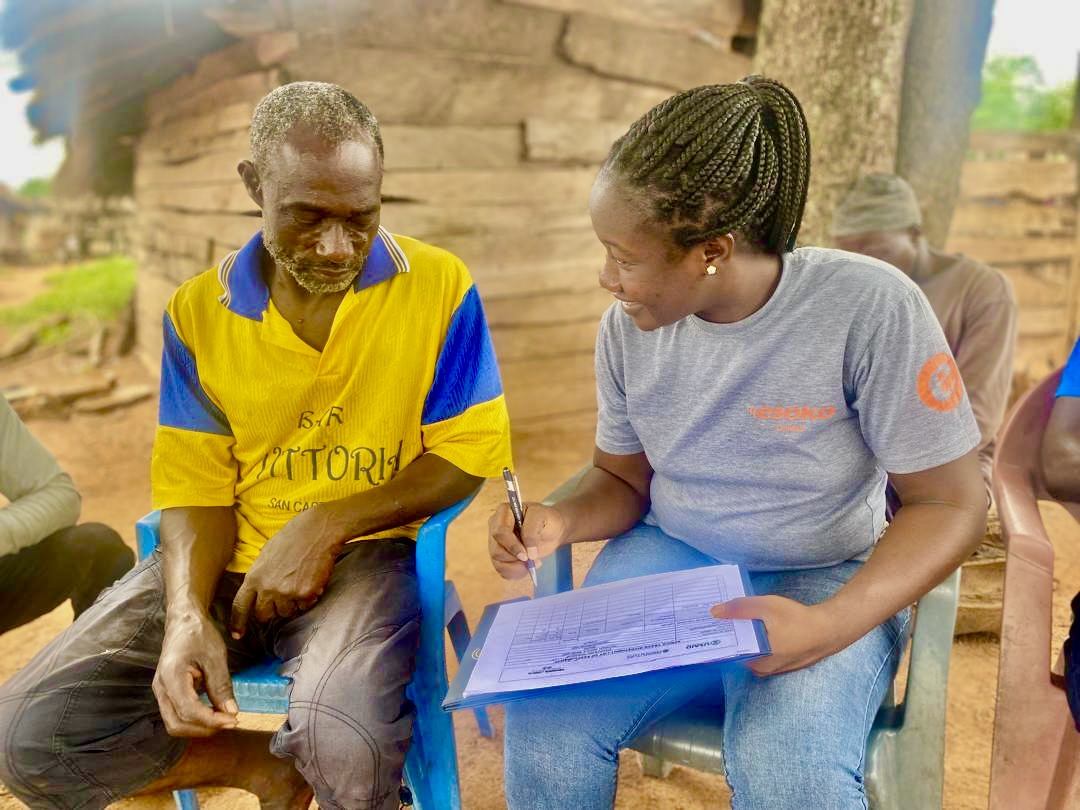
Sikafields is implementing a large-scale agroforestry carbon project that empowers smallholder farmers to restore degraded land and earn income from verified carbon credits.
The model integrates:
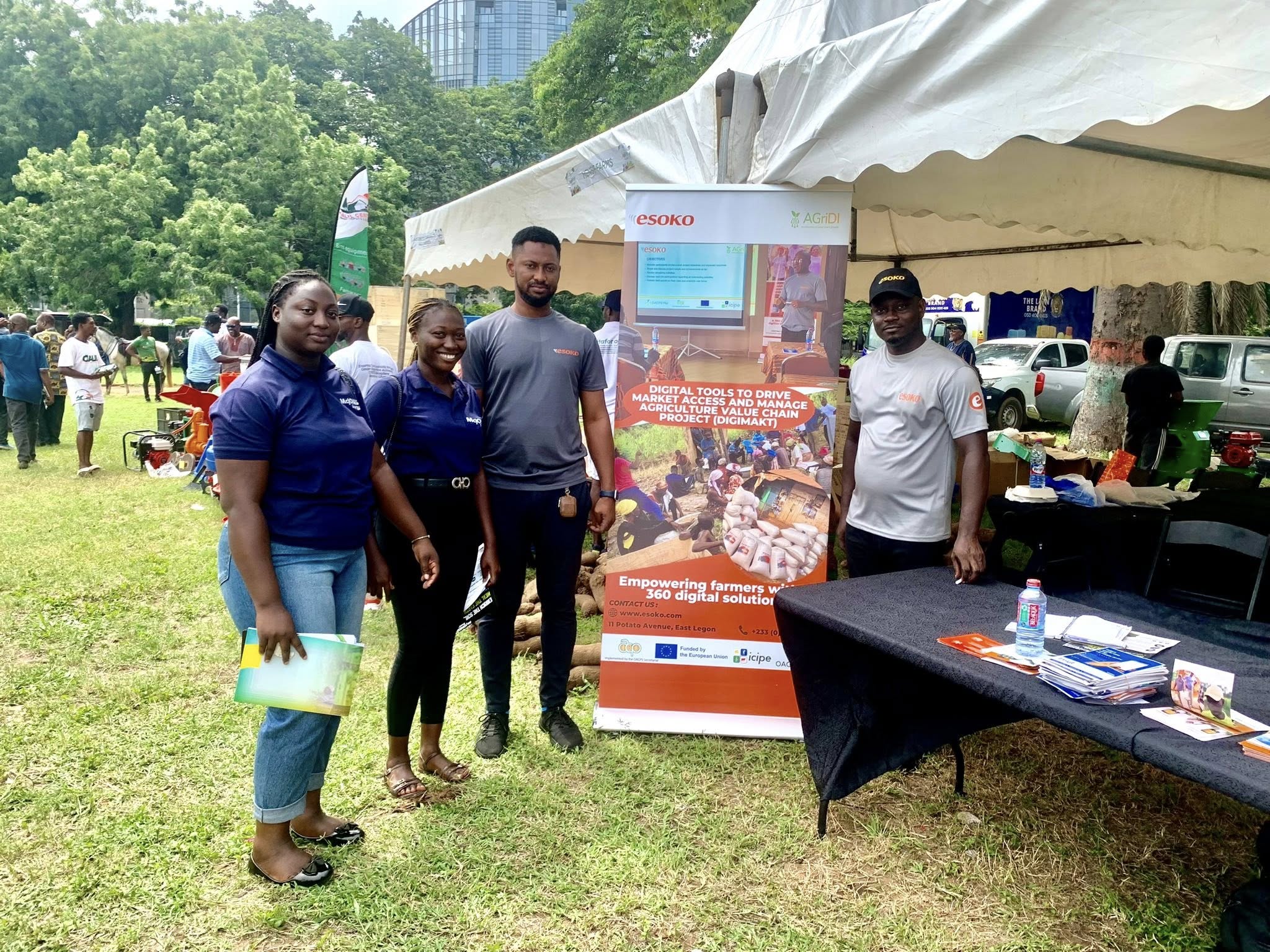
- Satellite mapping and AI for land monitoring
- Geo-tagging and farmer registration for transparency
- Training in agroforestry practices to restore soil health
- Local carbon monitoring teams creating green jobs
- MRV systems aligned with the Open Forest Protocol and Verra standards
Achievements to date:
- 5,000+ farmers onboarded
- 15,000+ hectares mapped for reforestation
- Youth trained as digital carbon monitors
- MRV system tested and validated in pilot sites
This creates a financially viable pathway for farmers to regenerate land while participating in global climate finance—a scalable model of climate justice and economic resilience.
What Makes It Unique
Sikafields combines cutting-edge technology with deep community participation, standing apart from traditional, externally driven conservation models.
Key differentiators:
- African-led and locally rooted approach
- Transparent digital MRV ensuring credibility
- Youth employment through monitoring roles
- A regenerative economic model where farmers earn long-term income
- Designed for scalability across Africa and beyond
By merging technology, trust, and grassroots engagement, Sikafields is building a new rural economy grounded in ecological regeneration.
Why People Should Donate
Donating to Sikafields supports regeneration, justice, and peace in communities experiencing the frontlines of climate change.
Your contribution funds:
- Farmer onboarding and training
- Tree seedlings, agroforestry tools, and soil restoration
- Satellite mapping and geo-tagging
- Verification fees and monitoring systems
- Salaries for youth carbon monitors
Every donation produces tangible results:
- $50 → Plants 100+ trees
- $400 → Restores 1 hectare
- $800 → Trains a carbon monitor for a year
- $1,000+ → Sponsors community-level verification
All funds are tracked through digital dashboards, with quarterly updates and field stories.
Supporting Sikafields means empowering marginalized communities to become climate solution leaders.
Call to Action
Sikafields urgently needs support to scale the onboarding of 10,000 farmers by year-end and complete carbon verification for the region’s first credit issuance.
In the next 30–90 days, donations will:
- Train and register 5,000 additional farmers
- Distribute and plant 144,000 tree seedlings
- Deploy digital monitoring in three new districts
A critical milestone: enrolling the first 20,000 farmers and securing pre-purchase agreements by Q4 2025.
Matching funds are available for donations received before October 15, 2025, multiplying impact.
This is not just a project. It’s a movement.
A movement to build a regenerative rural economy in Ghana and model climate justice globally.
Join us. Fund the future of Africa’s climate resilience.
Project Impacts
- 200.000Trees Planted — Onboarded 50.000 farmers and changed local livelihoods.
Pilot & Expansion: Scale to 30,000 Farmers
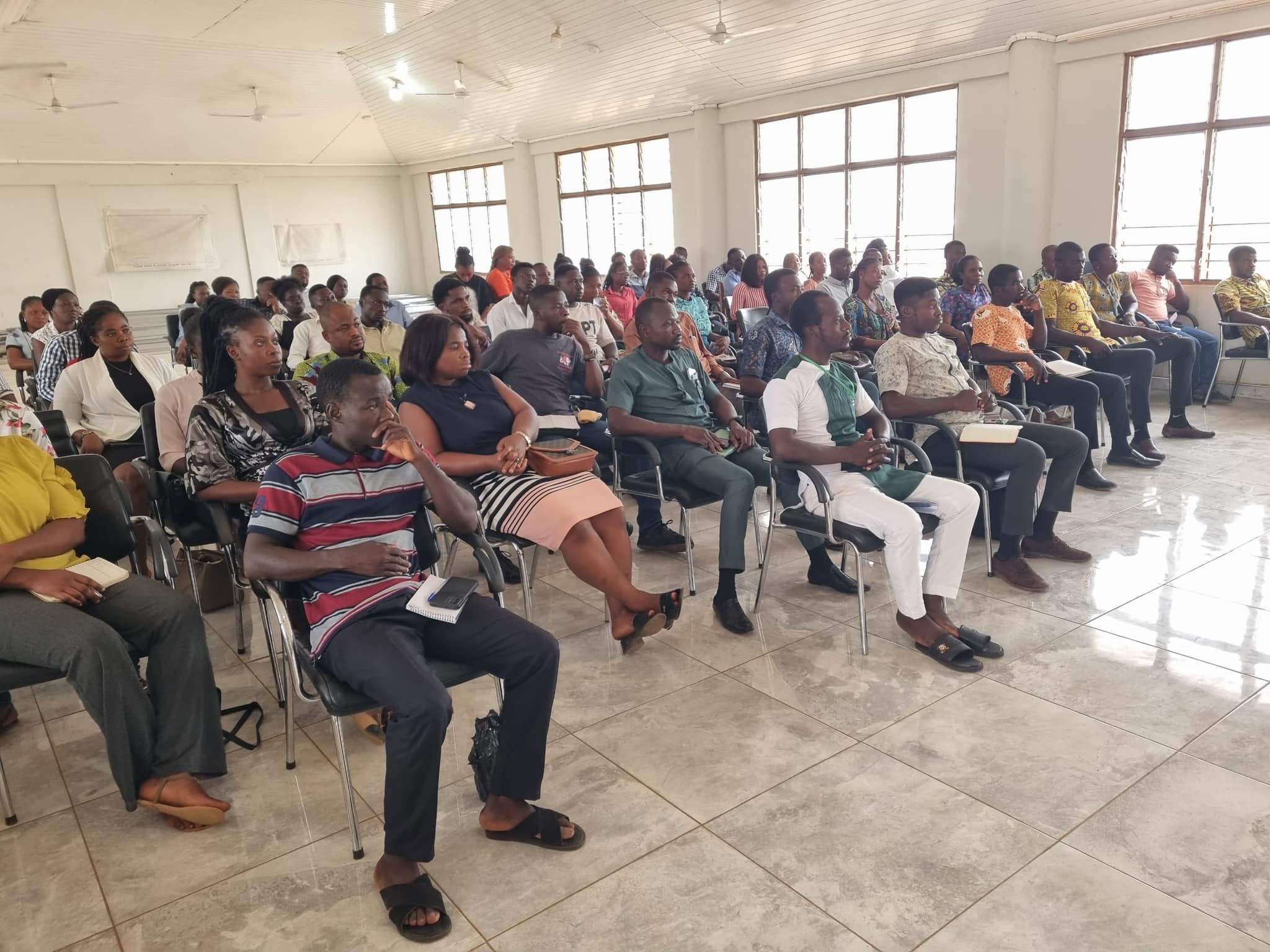
950 Farmers Onboarded to the SikaFields Open Protocol Carbon Verification
This milestone represents more than participation — it represents activation.
What This Means
- 950 land stewards now equipped with digital carbon verification tools.
- Hundreds of hectares entering monitored reforestation and agroforestry
Scale to 50,000 Farmers
This phase expands the program into additional communities while strengthening operational efficiency and data quality. The system transitions from early scale to a repeatable, regionally coordinated implementation model with improved monitoring and

Scale to 70,000 Farmers
This milestone marks operational maturity, with optimized logistics, enhanced monitoring systems, and readiness for long-term financing mechanisms. The focus shifts toward landscape-level impact, verification-quality data, and integration with instit
MRV – Monitoring, Reporting & Verification
Full-year MRV successfully completed for 50,000 hectares, delivering verified data on tree growth, carbon sequestration, and ecosystem health. This milestone strengthens transparency, supports certification, and unlocks climate finance for farming co
Credit Issuance & Revenue Sharing
The first carbon credits have been officially verified and issued, marking a major milestone in our regenerative journey. This achievement confirms the integrity of our agroforestry model and opens the door for farmers and supporters to benefit from
Sika Fields
Our mission is to reduce Greenhouse Gas Emissions while creating economic empowerment for smallholder farmers and regenerating rural landscapes through high-integrity, community-driven carbon projects.
.jpg?alt=media&token=81e7a811-b9f8-4b18-a135-260403af049a)