From survival to self-sufficiency through the Vumbula Fish Farm: How You Can Help Evelyn & Her Friends To Live Their Dream
By World Youth HorizonsAbout This Project
Vumbula Fish Farm
In partnership with SOULutions
Help 55 Orphans Build The Thriving Future They Deserve
From survival to self-sufficiency through the Vumbula Fish Farm: How You Can Help Evelyn & Her Friends To Live Their Dream Life
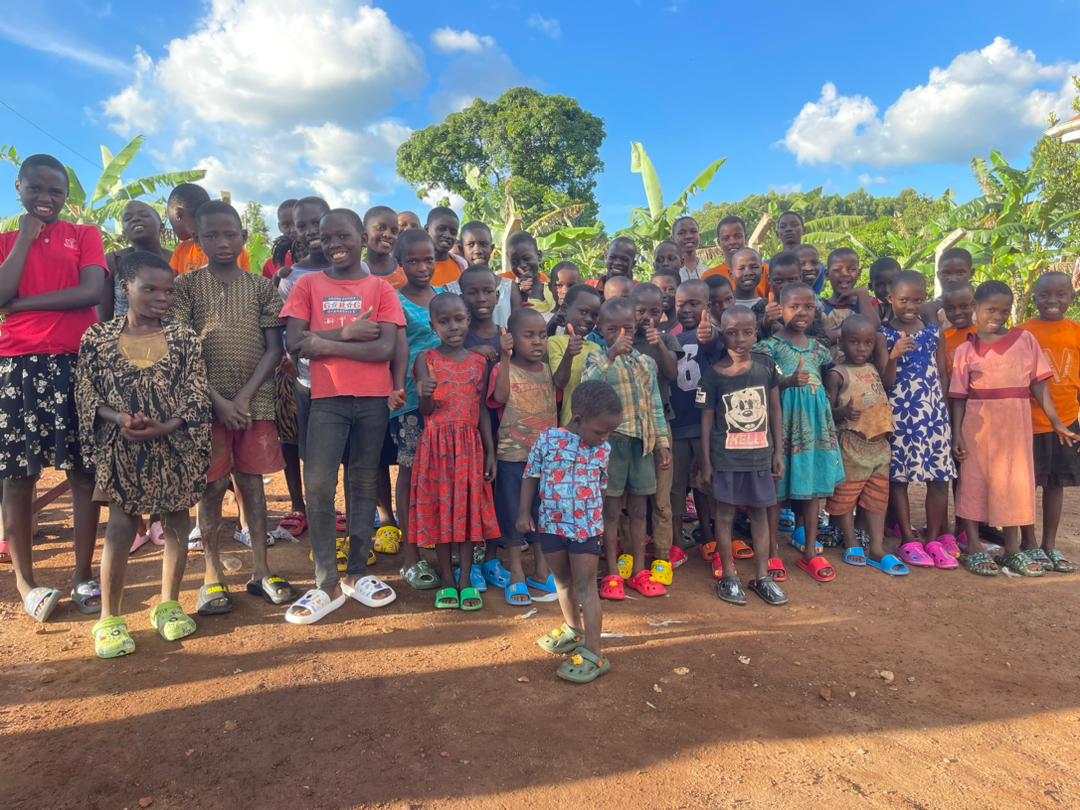
In a rural community in Uganda, 55 children without parents now have a place to belong. They have names. They have dreams. And with the right support, they have a future.
That future still depends on hand-to-mouth donations that may not come, at any time, for any reason. This is the moment to change that.
The Children You Can Help
Before Vumbula, many of these children had no reliable food, no schooling, no adult presence in their lives, and no safe place to live.
Today they are in school, at or near the top of their classes, and dreaming of becoming doctors, teachers, and leaders. One school recently shared that the five highest-performing students in the entire school are children from Vumbula.
Evelyn is 13. She came to Vumbula five years ago, after extreme poverty forced her and her siblings into living and begging on the street.
"When I grow up, I pray to God that I become a businesswoman, so that I get enough money and pay school fees for the poor, buying for them clothes, food, and many things."
Grace is 14. She arrived at Vumbula with her two siblings when their only alternative was street life or starvation. She wants to work in medicine when she grows up.
"I see my fellows suffering, and I want to treat them."
This is what becomes possible when orphaned children are given a home, an education, and adults in their lives who believe in them. But to make it last, grow in place, and scale outward to help other orphans, the Vumbula Youth Home needs to evolve.
The Man Who Built Vumbula Youth Home
Robert Ssenyange, himself a local orphan, started Vumbula eight years ago as a home for orphaned and abandoned children.
Robert was inspired by his mother, who, before her passing, helped feed and care for dozens of children without parents of their own in the neighborhood. He saw families who could not feed their children, children living on the streets, and many young people who were pressured into supporting elderly relatives because no one else would.
So he built them a home, and has kept it running through faith, hard work, and the generosity of people who believe in the cause.
A Cycle That Never Ends
And yet, every month brings the same questions. How do we feed the children? How do we pay for school? How do we keep this home running?
Lacking the means to provide for itself, Vumbula depends on donations simply to survive. And survival is not enough.
This Project Breaks That Cycle For Good
The Vumbula Fish Farm is designed to create food security for all 55 children, income for the orphanage through local fish sales, skills training for the older youth, and a scalable system that ends the dependence on outside help.
"It will mean no child goes hungry. It will teach them how to fish, how to farm, and how to run a business. And in time, it will enable the children to earn for themselves."
Instead of asking for help every month, the community can begin to provide for its own future.
Why Fish Farming
Can farming fish at Vumbula actually make a difference?
The design size of the system for the first phase of the project will produce 8 to 10 metric tonnes of fish harvest per year.
8,000-10,000 kg of fish per year.
That’s an average of about 50 to 60 pounds of fish per day. Or, roughly 1 pound of fish, per person, per day, for all 55 kids at Vumbula!
They won’t eat it all - they will sell some and buy rice, beans, cassava, and other necessities. But this isn’t just a token project; it's enough high-value, healthy, fresh food to actually feed them all, sell at market, and grow the operation.
Fish farming is one of the most reliable and scalable ways to support a rural community. It produces high-protein food in steady, repeatable, predictable cycles. It meets strong demand in local markets. And it creates real opportunities for young people to earn and to build.
"Food is one of the most basic things that dignifies a human being. Once food security is achieved, people can begin to plan their future."
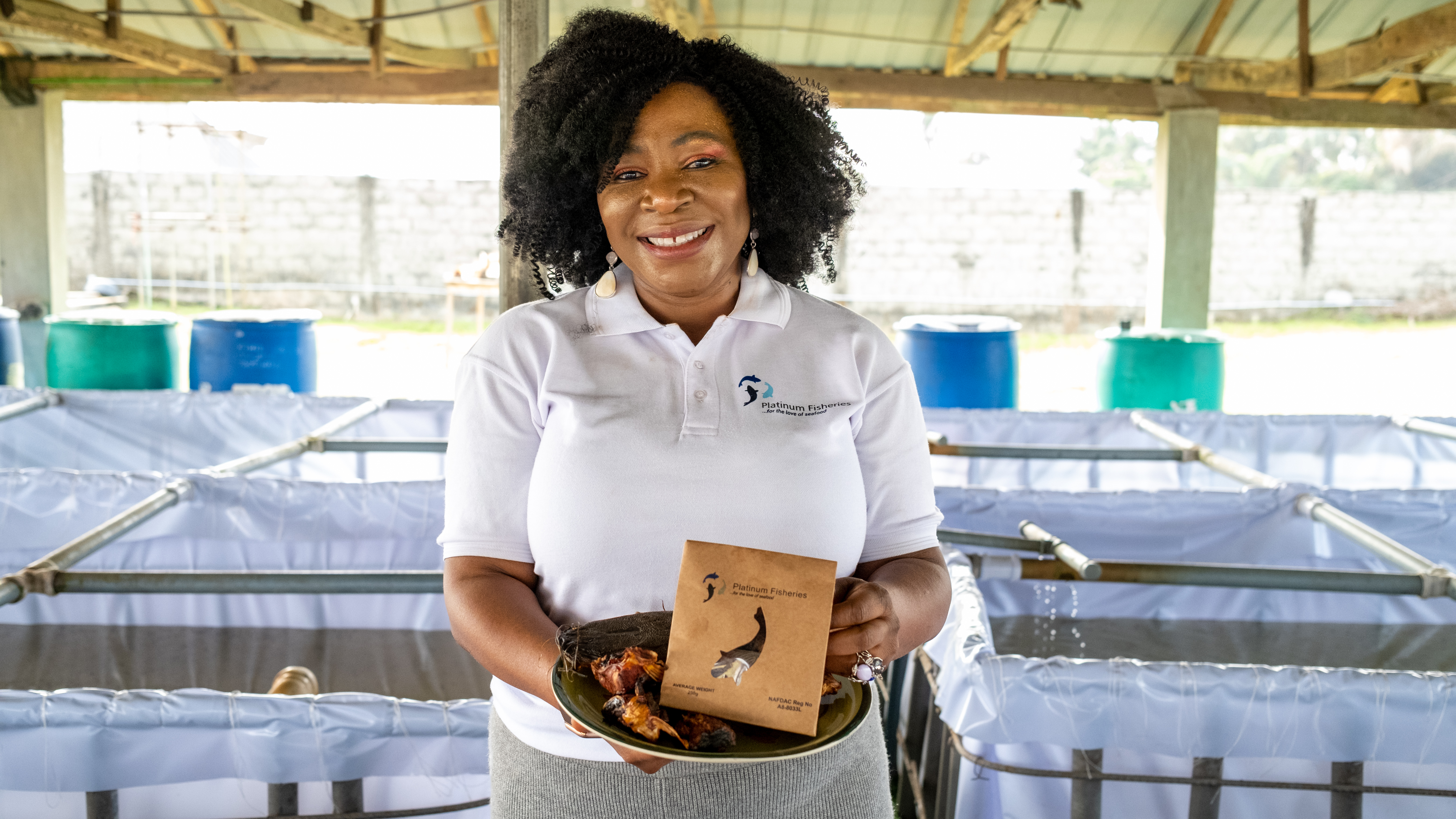
— Dupe Killa-Kafidipe, Founder, Platinum Fisheries & Sustainability Leader
Teaching the Next Generation
This is about more than feeding children. It is about equipping and empowering them.
The older youth will learn aquaculture, farm management, small business skills, and sustainable food production. Evelyn dreams of running a business one day. At Vumbula, she and the others will learn how a business works through hands-on experience. They will grow into providers, leaders, and builders.
Become Part of the Family
This is not an untraceable donation to a general cause.
You are welcome to meet Robert, Evelyn, Grace, and the other 53 kids at Vumbula, as well as the team members running this project (listed below).
Supporters of Vumbula receive personal updates, connect directly with the community, build lasting relationships with the children, and are welcome to visit and see the impact first-hand for themselves.
"Come and visit our home. Meet our children, talk with them, and see how they live." - Robert Ssenyange
This is connection. This is family.
For Those Who Have Built Something, and Now Want to Give Back
This project speaks to entrepreneurs and builders. To anyone who understands what it takes to create something from scratch, to build a system that sustains itself, and to invest in change that lasts.
This is a chance to help build a real, working system that will change lives for generations.
Why This Moment Matters
For years, Vumbula has been held together by heart and determination alone.
Now, for the first time, there is a clear path to sustainability, a global team behind it, and a transparent system for funding and reporting. This is the turning point, where survival transitions to self-sufficiency.
The Team Behind Vumbula
- Robert Ssenyange - Founder and Executive Director of the Vumbula Youth Home, on-ground project lead
- Jeff Hoffman - Founder and President of World Youth Horizons (the lead funder of Vumbula to date), Co-founder of Booking.com/Priceline.com and uBid.com, founding Board Member of the Unreasonable Group, Chairman of the Global Entrepreneurship Network
- Robin Spillias - Long-term supporter and champion cheerleader, World Youth Horizons
- Tristan Jackson - Community organizer coordinating this project, and CEO of Nikutik Sovereign Wealth
- Kendall Haven - World-leading Story Scientist supporting powerful communication through narrative
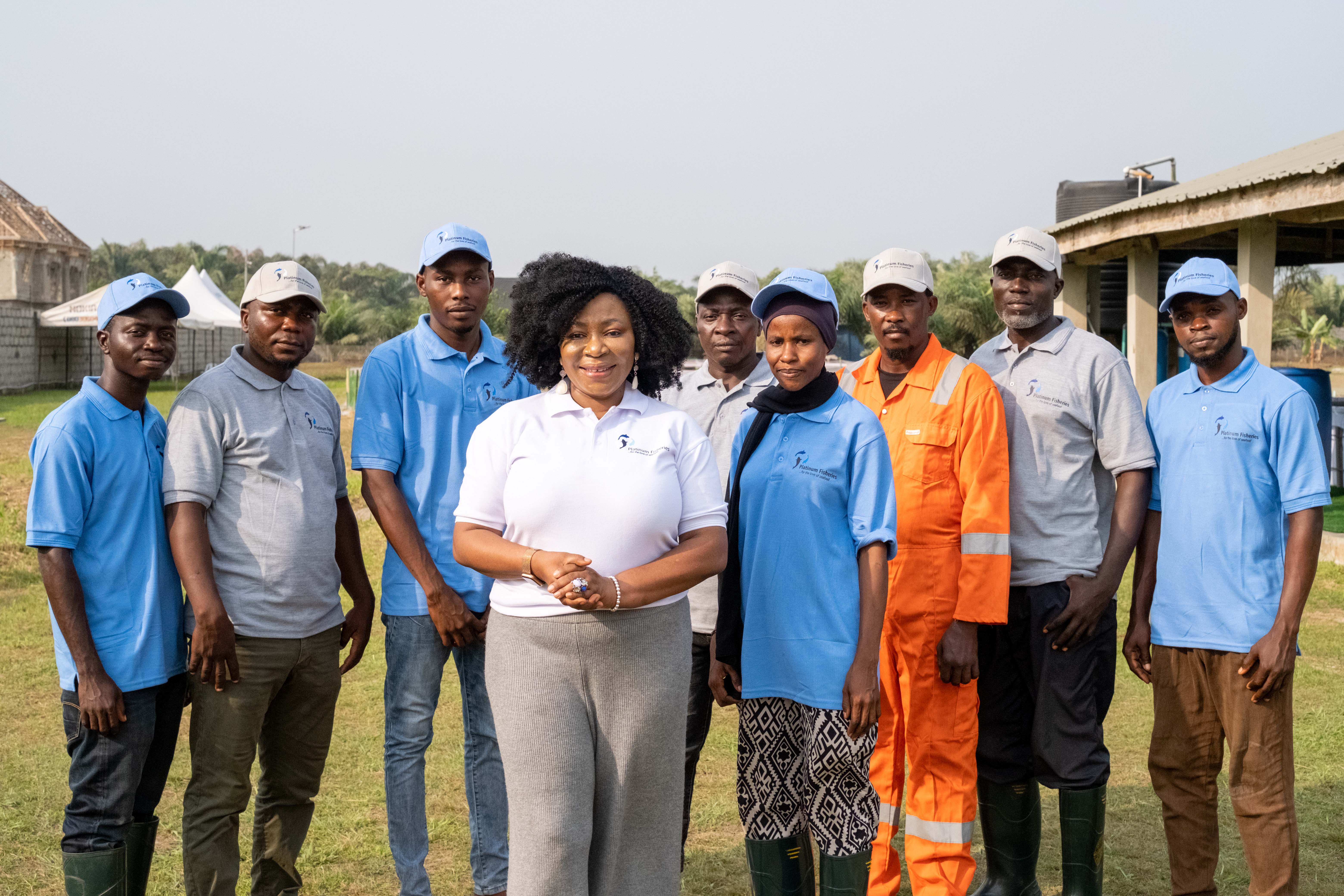
- Dupe Killa-Kafidipe - Founder and Principal, Platinum Fisheries, and Sustainability Leader, providing the fish farm equipment, fingerling fish, fish feed, project management and training
- Lila Behr and Stefan Davy - Co-founders of Soulutions Operating this platform, for fundraising, storytelling, oversight and transparency
- ClearBlue Canadian-owned, publicly traded clean energy company delivering fully managed off-grid power and lighting across Canada and Africa, providing the generation-side solar powered energy system
- Diminuendo Adventure Safaris - Ugandan-owned tour and travel company dedicated to
creating authentic, responsible, and unforgettable travel experiences across East Africa, supporting local shipping and logistics - Wallace (Afshon) Ngige - Founder and CEO, AfriDelivery, supporting international shipping and logistics
Together, this team was ll the experience and capacity needed to deliver the complete project and to stay with it for the long term, keeping Vumbula and its development transparent, measurable, community-led, and built to last.
What Your Support Will Fund
- Fish ponds and aquaculture infrastructure
- Initial fish stock and feed
- Training and education for the children
- Equipment transportation and setup
- Local construction, job creation, and farm management
This is the foundation of a system that will feed and sustain the community for generations to come.
What Your Contribution Makes Possible
A child fed every day. A child kept in school. A young person learning a livelihood. A community earning its own income. A future that no longer depends on emergency aid.
Real, lasting change.
See Exactly Where Your Money Goes
Through the SOULutions platform, you will receive transparent updates on fish production and food distribution, the number of children supported, youth trained in aquaculture, jobs created, income generated, and progress toward full self-sufficiency.
You will see exactly what your support builds.
Beyond Vumbula
The Vumbula Fish Farm is only the beginning. This model can be repeated in other communities facing the same struggle, creating a network of self-sustaining youth homes across the region.
A future where children grow up with dignity and opportunity, where communities produce their own food and income, and where support transitions to self-sufficiency.
Help Evelyn and Her Friends Build Their Future
Evelyn wants to be a businesswoman to help support those in need. Grace wants to be a doctor to help heal those who can't access care now. Every child at Vumbula holds a dream worth protecting, supporting, and building up into a brilliant future.
Your support can feed a child, keep him or her in school, and build a system that sustains his or her dreams for life.
Donate now, and help Evelyn and her friends build a future in which they can sustain themselves and help others.
Project Impacts
Hit 100% of the Year-1 Budget
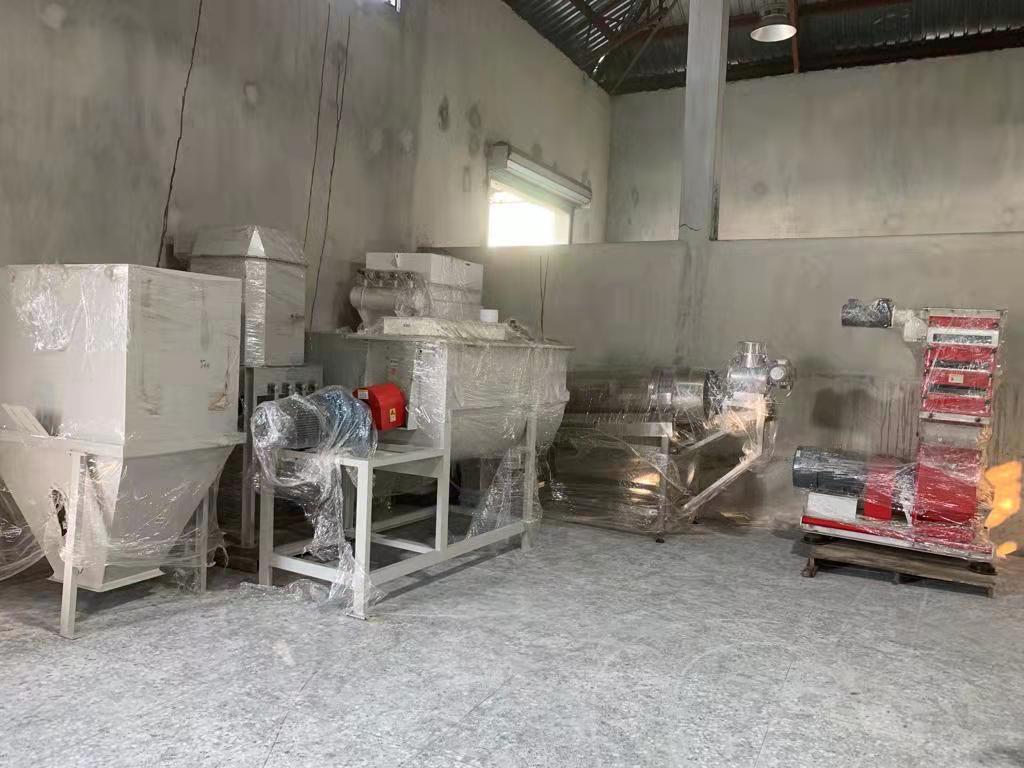
Procure Fish Farm Load-Side Equipment & Generator
Purchase, freight, and deliver all aquaculture infrastructure to site — tanks, pumps, aerators, water treatment, housing, plumbing, the back-up generator, plus international and local freight/shipping for equipment and livestock.
Key Metrics:
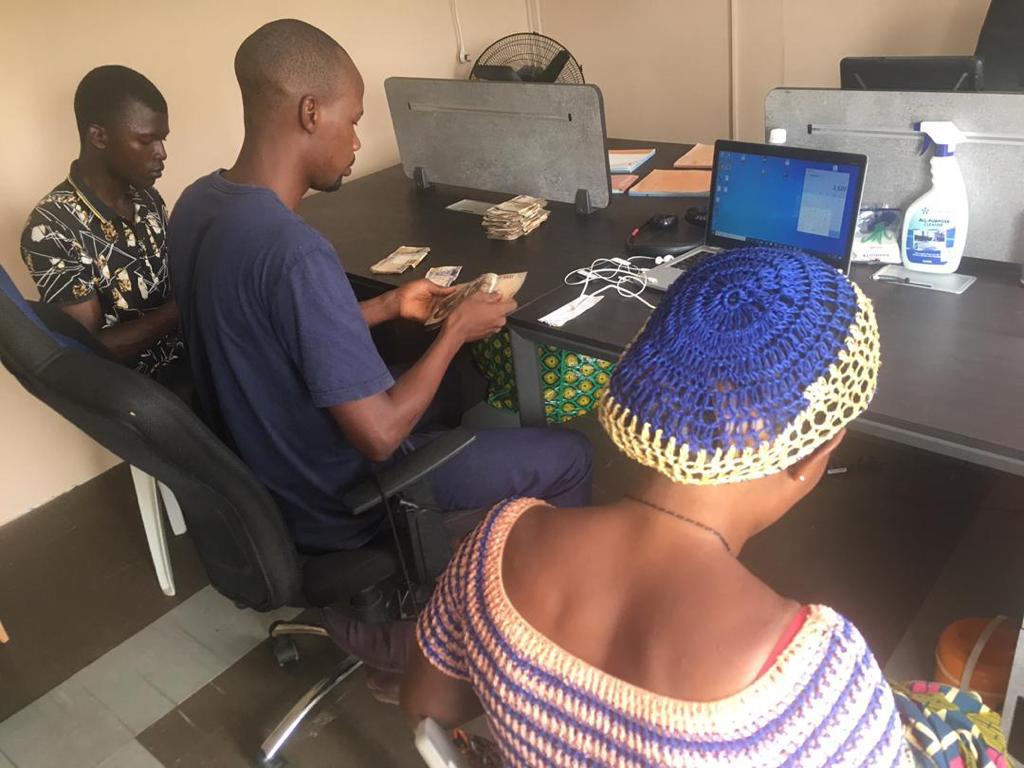
Platinum Fisheries Team — Installation & Training (5 Months)
The Platinum Fisheries team (aquaculturist + fisheries technician) travels to Vumbula to install systems and train local staff over a 5-month period.
Key Metrics:
- Number of local staff trained
- Installation milestones completed on schedul
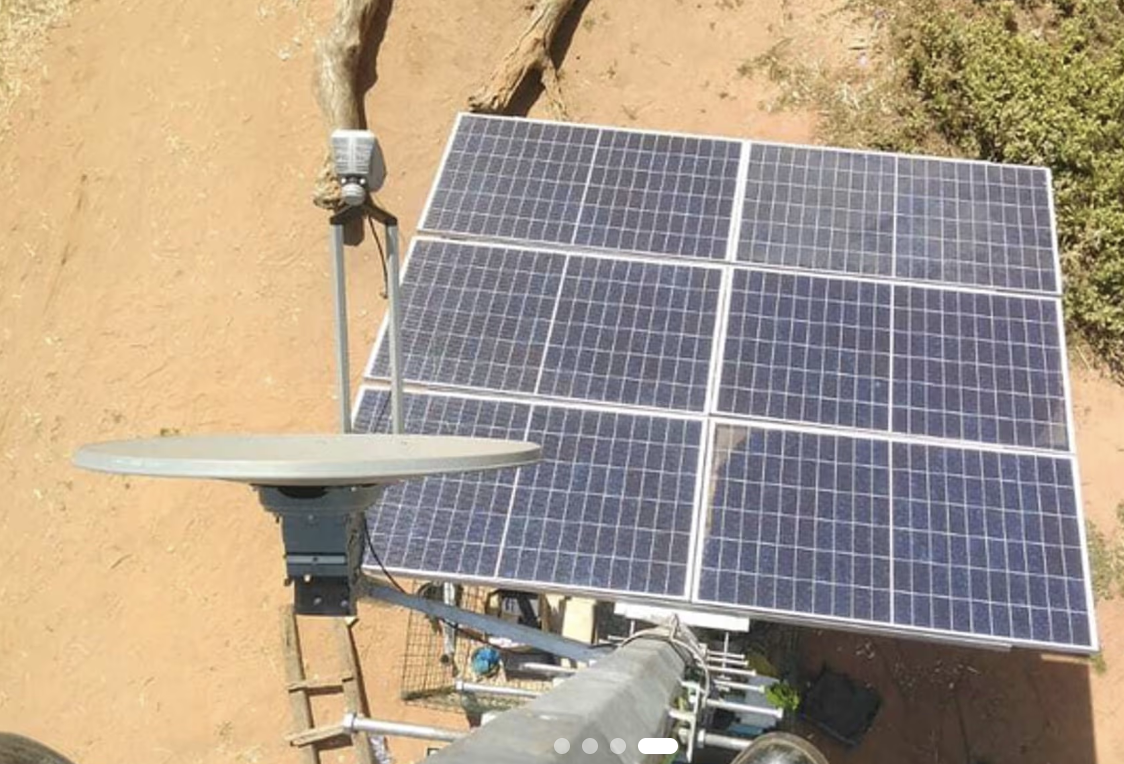
ClearBlue Confirms Energy Supply-Side System Sizing
The ClearBlue team visits Vumbula to assess power needs and confirm the sizing of the solar energy system required to run the farm.
Key Metrics:
- Energy system specification finalized
- Site visit completed
Budget Requirement: $0 — p
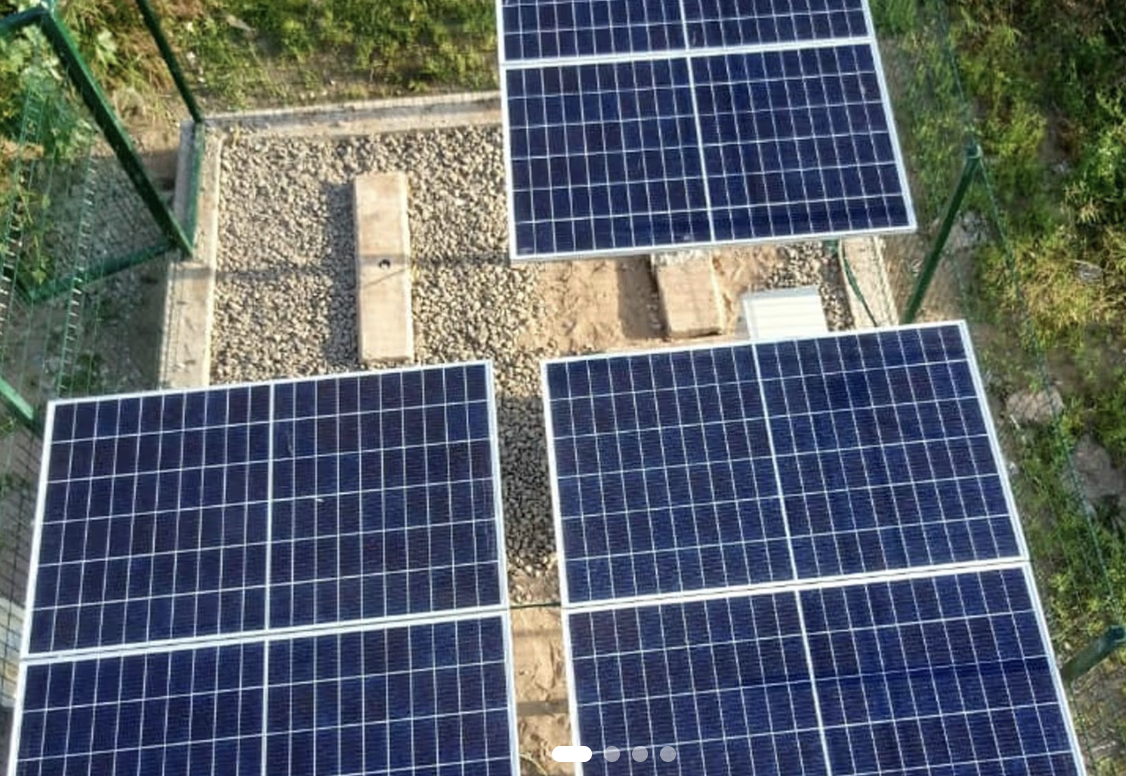
Energy System Installed, Generator Moved to Back-Up
Solar energy system installed and commissioned as the primary power source; diesel generator repositioned as back-up power.
Key Metrics:
- Solar system operational
- Generator on standby/back-up status
Budget Requirement: $0 listed fo
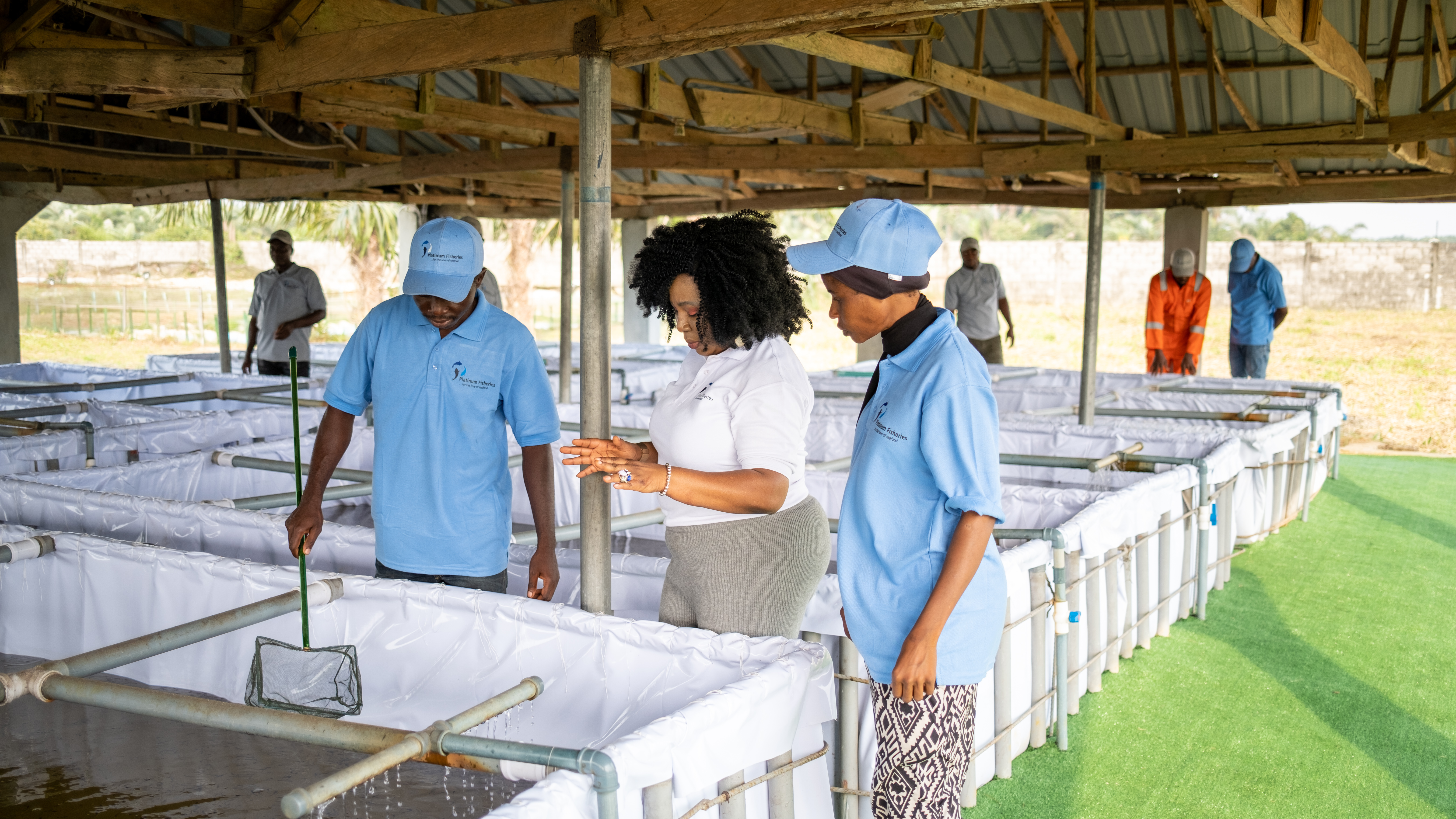
Fingerlings Introduced — Monitoring, Training & Management Continue
First batch of fingerlings stocked into the ponds. Feeding, water quality monitoring, and hands-on training continue under ongoing supervision.
Key Metrics:
- Fingerlings stocked across all ponds
- Survival rate and growth tracked
- Target:
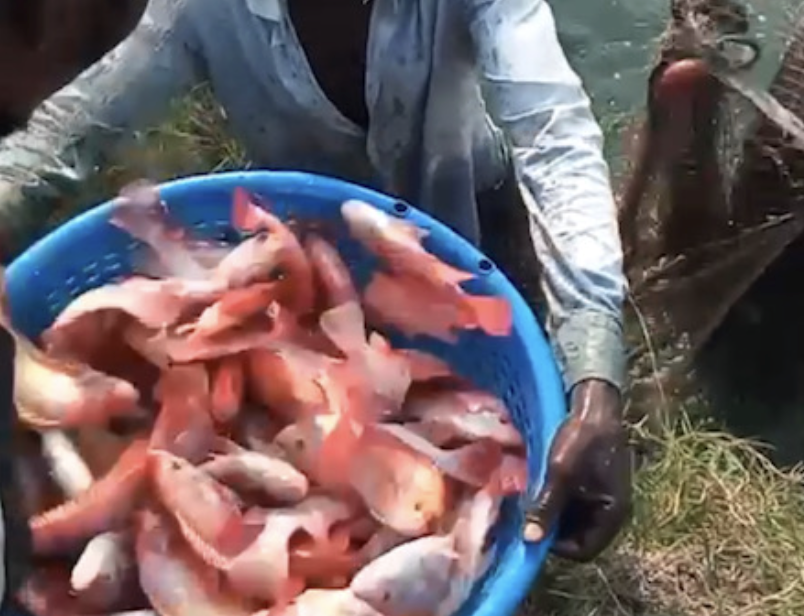
First Harvest — Documenting & Reporting
The first fish harvest is completed, recorded, and reported back to donors as proof of concept.
Key Metrics:
- Harvest weight (target 500kg+)
- Revenue from local fish sales
- First impact report published to donors
**Budget Requirement:
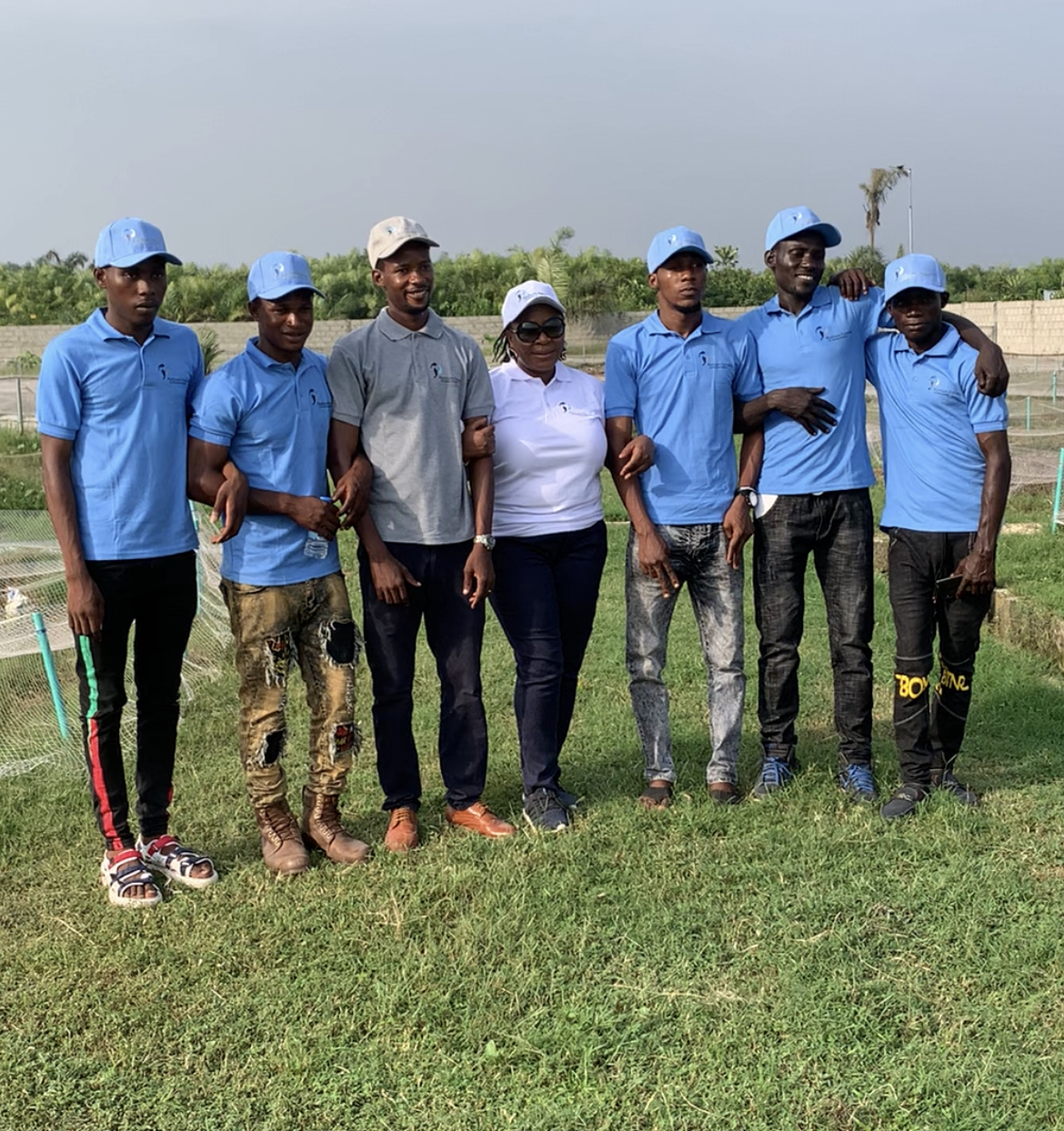
Site Visit & Graduation Ceremony (Donor Invite-Only)
The project team visits Vumbula for a graduation ceremony celebrating the first cohort of trainees. Project donors are invited to attend.
Key Metrics:
- Number of trainees graduating
- Number of donors attending
Budget Requirement: To
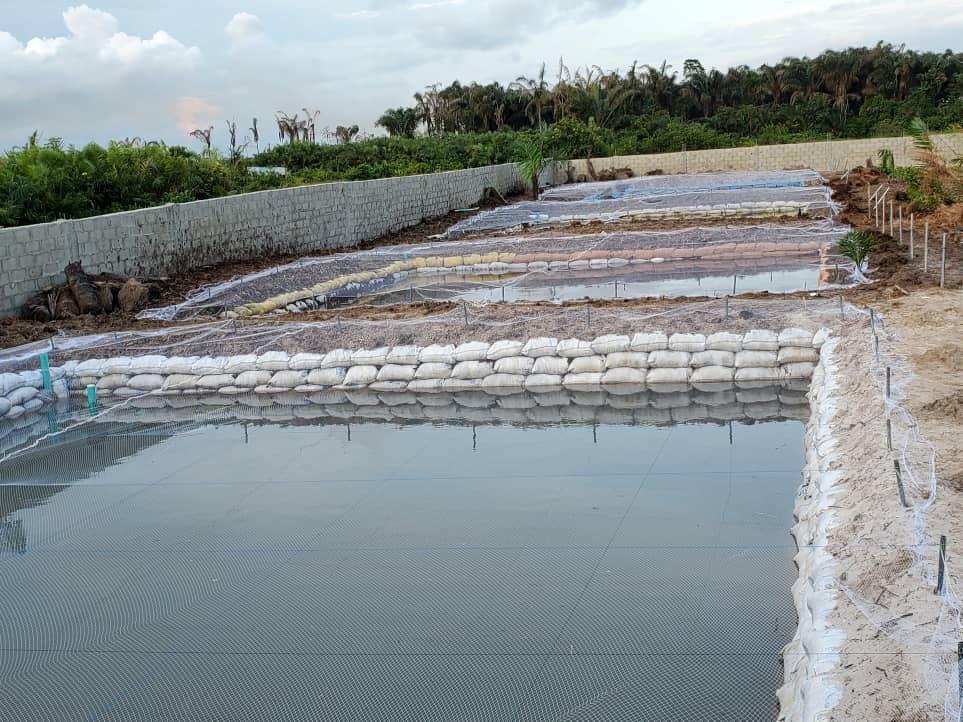
Size Year-2 Project & Adjust Go-Forward Budget
Based on Year-1 results, decide whether to maintain the current scale or expand, and revise the Year-2 budget accordingly.
Key Metrics:
- Year-1 results reviewed
- Year-2 budget and scale finalized
Budget Requirement: $0 — planning ph
Launch Second Fundraising Campaign
Launch the Year-2 campaign on the SOULutions platform based on the finalized scale and budget from Milestone 11.
Key Metrics:
- Campaign live on SOULutions platform
- Number of donors and % of target reached
Budget Requirement: TBD —
Deliver Year-2 Program — Monitor & Report
Execute the Year-2 program (maintained or scaled), with continued monitoring and donor reporting.
Key Metrics:
- Production output (kg of fish per cycle)
- Income generated for the community
- Children supported and youth trained
- Jobs cr
World Youth Horizons
World Youth Horizons is a 501(c)(3) global non-profit that provides support to youth around the world by offering food, shelter, education, and experiences to help improve their economic conditions and to encourage youth to expand their horizons. Their six pillars of support are nutrition, education, medical care, pure water, love & care, and travel experiences.

.jpg?alt=media&token=81e7a811-b9f8-4b18-a135-260403af049a)