La Casa del Coral & Coral Reef Monitoring Program
By Coral ConservationAbout This Project
Introduction to the Metaproblem
Costa Rica’s Southern Caribbean is home to one of the most biodiverse marine ecosystems in the Central American region, yet its coral reefs are rapidly deteriorating due to rising ocean temperatures, sedimentation, plastic pollution, and unsustainable coastal development. Coral reefs are not only ecological treasures; they are vital buffers for coastal protection, fish nurseries, and engines of sustainable tourism. Despite this, communities often lack access to marine education, scientific tools, and structured opportunities to participate in conservation. The metaproblem is therefore twofold: accelerating reef degradation and a systemic absence of locally rooted, science-driven community engagement.
Core Problem in the Bioregion
In the bioregion of Puerto Viejo, Cocles, Punta Uva, and Manzanillo, coral reefs face unprecedented stress. Mass bleaching events and warming waters threaten reef survival, while pollution and coastal pressures disrupt ecological balance. At the same time, local residents, especially youth and tourism workers, often receive little environmental training despite relying deeply on a healthy ocean for their cultural identity and livelihoods. Without inclusive, community-based monitoring and education, coral decline will continue unnoticed and unaddressed, placing the entire region’s ecological resilience and economic stability at risk.
Proposed Solution
Coral Conservation is expanding its mission through two interconnected initiatives:
La Casa del Coral, a community-based marine education center in Cocles, and a Coral Reef Monitoring Program launching next year to generate scientific data and empower local conservation.
1. Enhancement of La Casa del Coral
- Improve the educational space to serve as a vibrant learning hub for visitors of all ages.
- Upgrade the Virtual Reality coral reef experience with new immersive footage filmed on local reefs.
- Add bilingual educational materials, interactive games, and hands-on activities that teach reef ecology.
- Develop new workshops linking marine science with community lifestyles, tourism, and local identity.
2. Coral Reef Monitoring Program
- Join the regional monitoring effort with Adventure Scientists and UCR, covering 15 reef sites in the Caribbean, Coral Conservation will oversee five monitoring points in the Southern Caribbean.
- Train local volunteers and divers in monitoring protocols to democratize scientific participation.
- Acquire essential equipment (transects, slates, underwater cameras, measuring tools, and GPS).
- Integrate collected data into Casa del Coral exhibits and community presentations, turning science into accessible public knowledge.
3. Community & Institutional Engagement
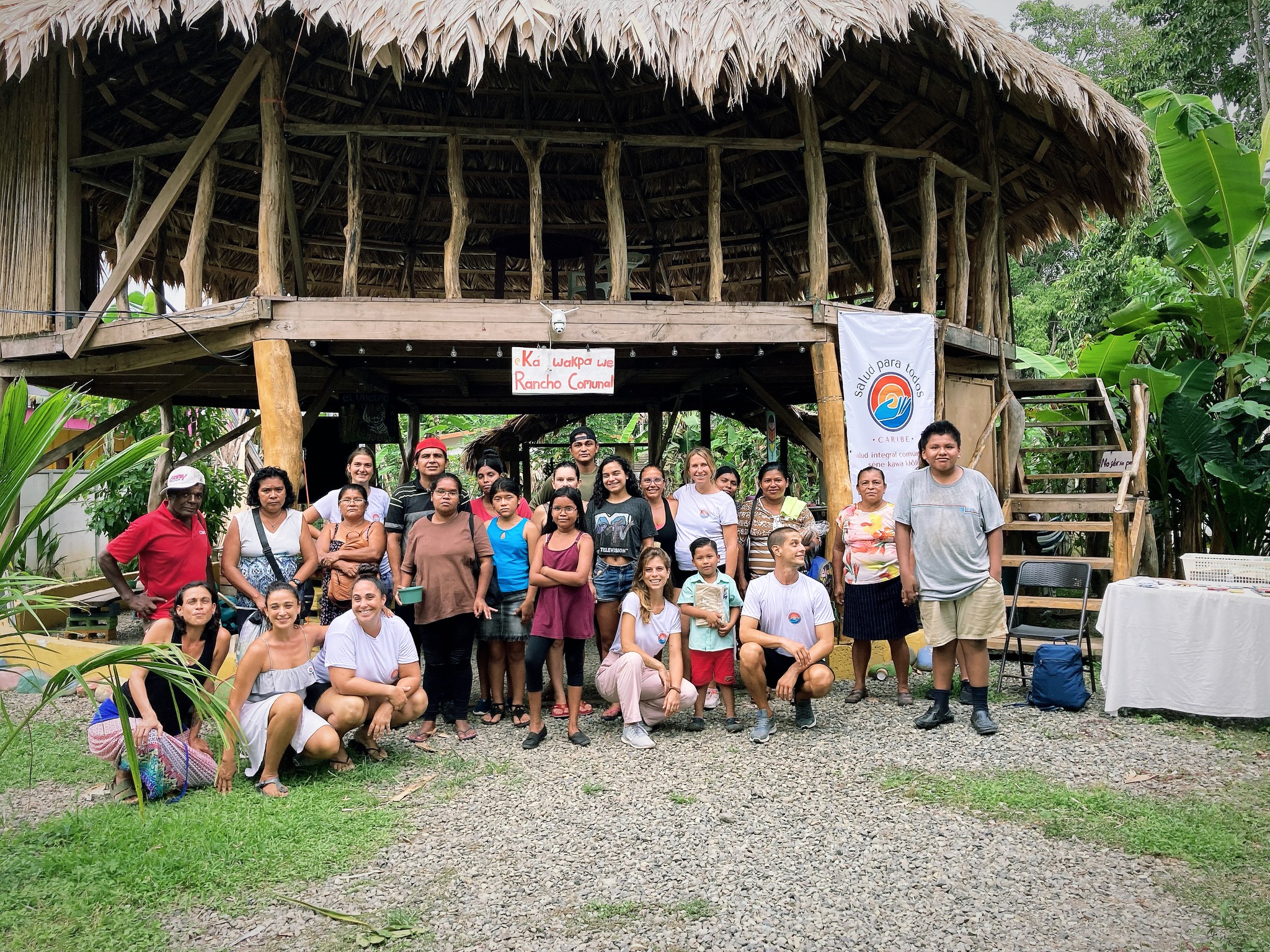
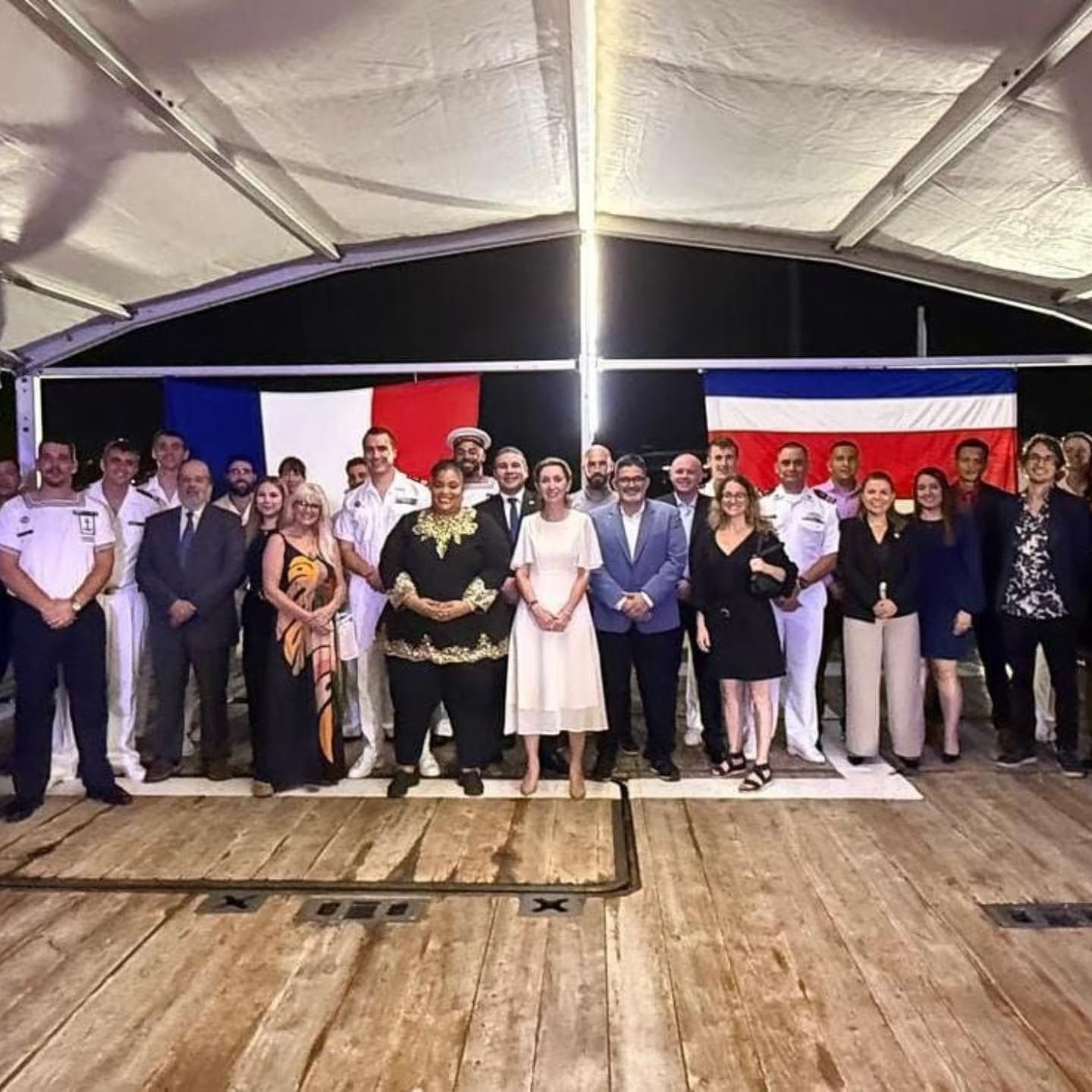
- Strengthen partnerships with schools, local organizations, dive centers, and sustainable tourism operators.
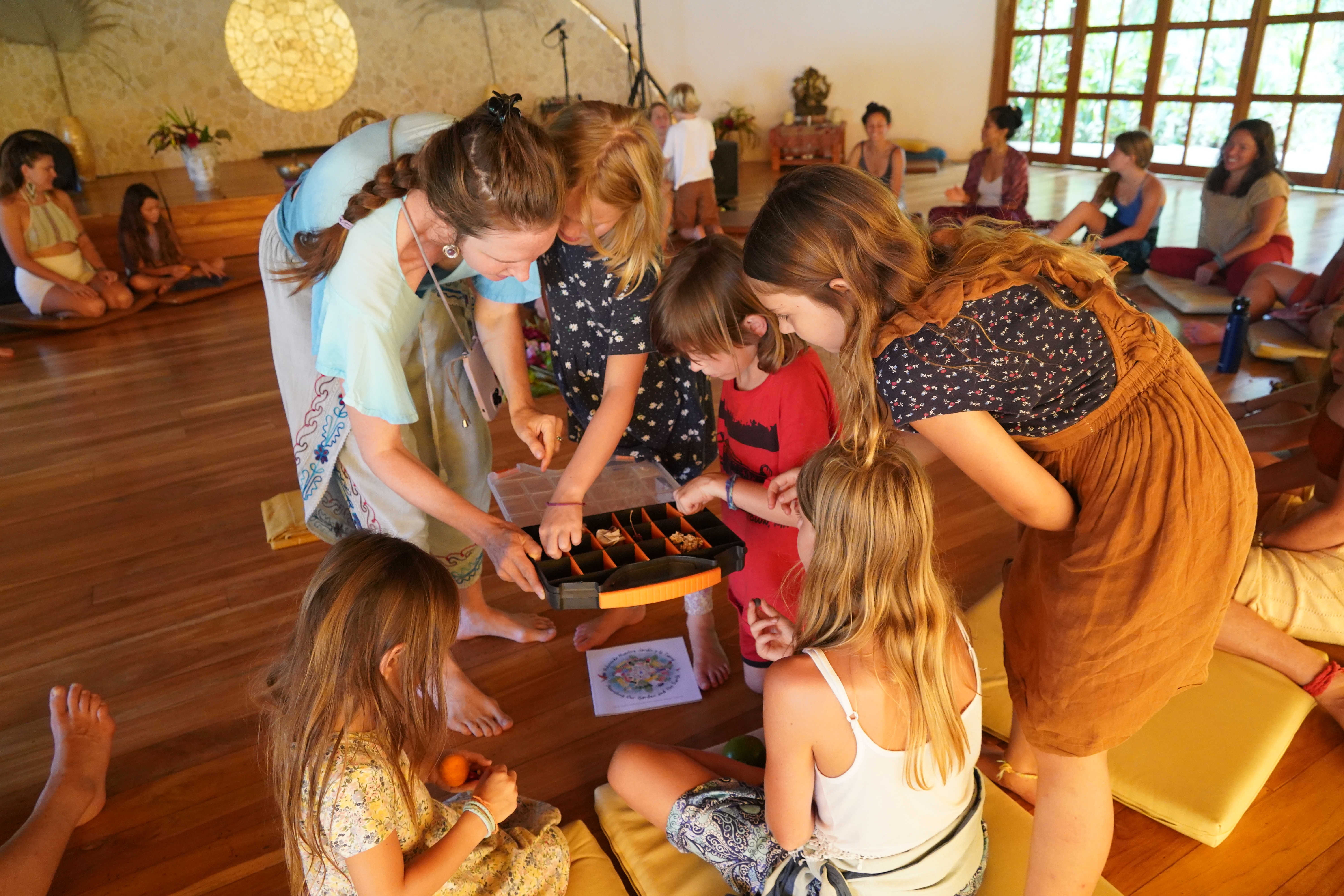
- Host community talks, exhibitions, and school visits connecting reef health to cultural identity, livelihoods, and the future of the Caribbean coast.
4. Launch & Continuous Improvement
- Officially launch the expanded monitoring program and redesigned Casa del Coral experience.
- Use reef data to update educational content in real-time, ensuring an evolving, science-based experience for the community and visitors.
What Makes It Unique
Coral Conservation stands out for its community-rooted, science-based, and culturally connected model. Unlike traditional conservation projects, it combines:
- Local leadership and grassroots origins,
- Scientific data collection,
- Youth and community empowerment, and
- Experiential education through VR, workshops, and field participation.
By blending conservation science with interactive learning and local pride, the project becomes more than a marine initiative, it becomes a cultural movement that reconnects people with the ocean and strengthens long-term stewardship.
Why People Should Donate
Donating to Coral Conservation supports regeneration, justice, and peace in communities experiencing the frontlines of climate change.
Your contribution directly supports the revitalization of coral reefs and the empowerment of Caribbean communities. Donations help:
- Upgrade Casa del Coral’s educational experiences,
- Train local divers and youth as coral monitors,
- Purchase scientific monitoring equipment,
- Fund school programs, VR content, and marine workshops,
- Ensure long-term local leadership in reef conservation.
Without sustained support, coral decline will accelerate, risking biodiversity loss, economic vulnerabilities, and the disappearance of one of Costa Rica’s most iconic ecosystems. With your help, the region can instead become a global example of community-led marine regeneration.
Call to Action
Be part of restoring the heart of the Southern Caribbean.
Support coral reef conservation, empower local communities, and protect the ocean for future generations.
Donate today and help us bring science, education, and community together for a thriving Caribbean Sea.
Project Impacts
No Sustainable Development Goals linked yet.
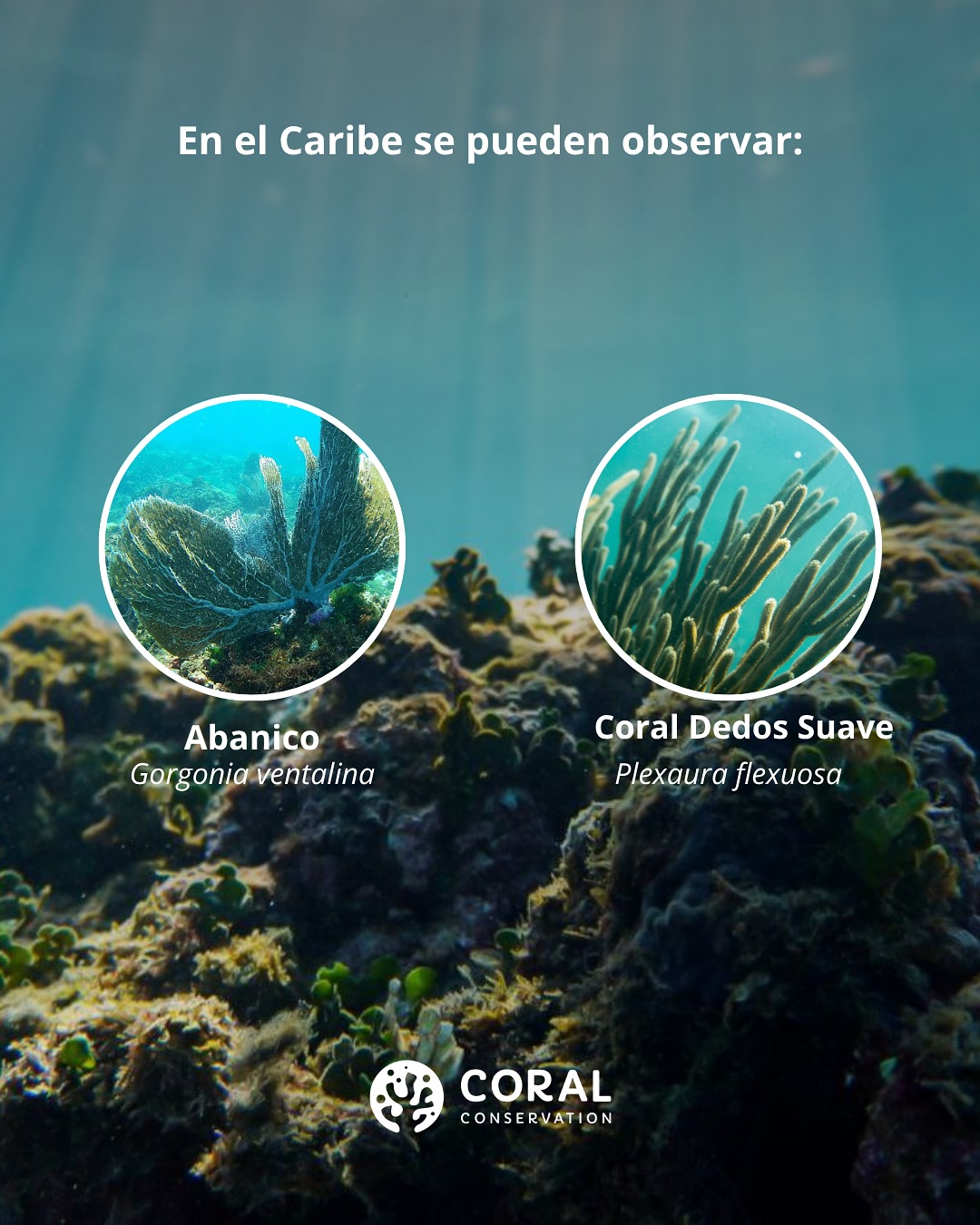
Upgrade La Casa del Coral Exhibitions
Community Support While We Build Toward the Clinic
What Happened This Month?
While the construction of the clinic is currently on hold, this month was far from inactive.
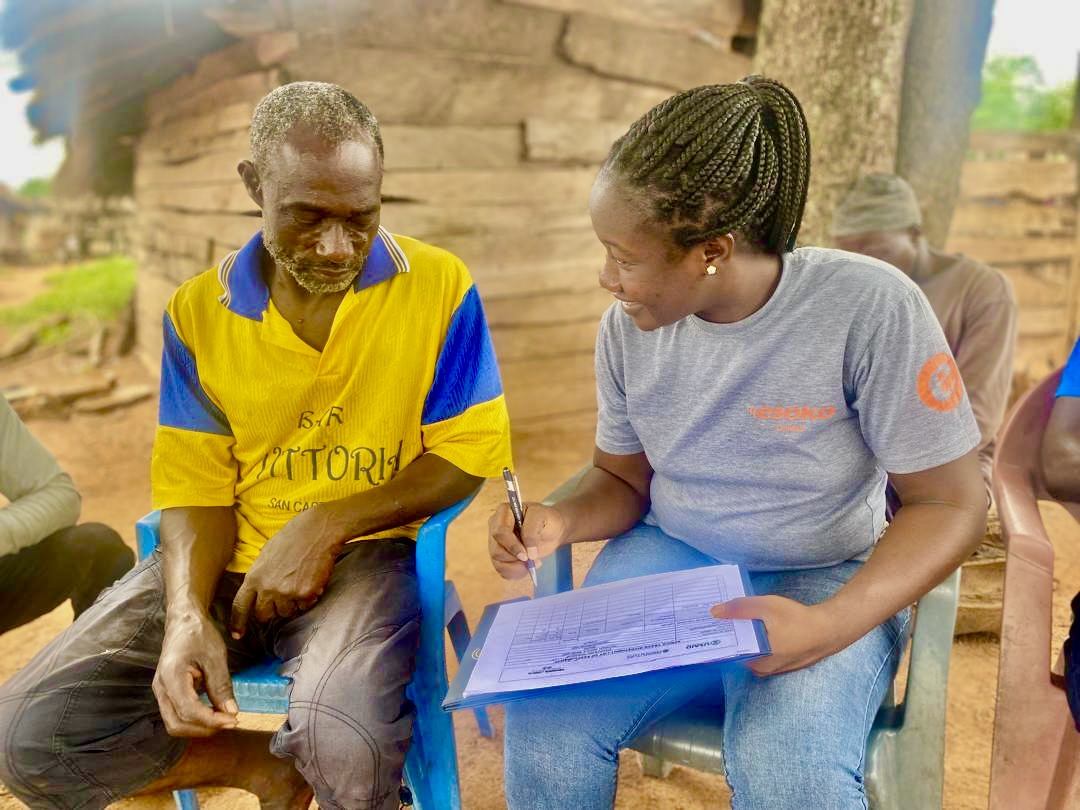
We shifted our focus toward direct community support, ensuring that momentum, trust, and impact continue in tangible
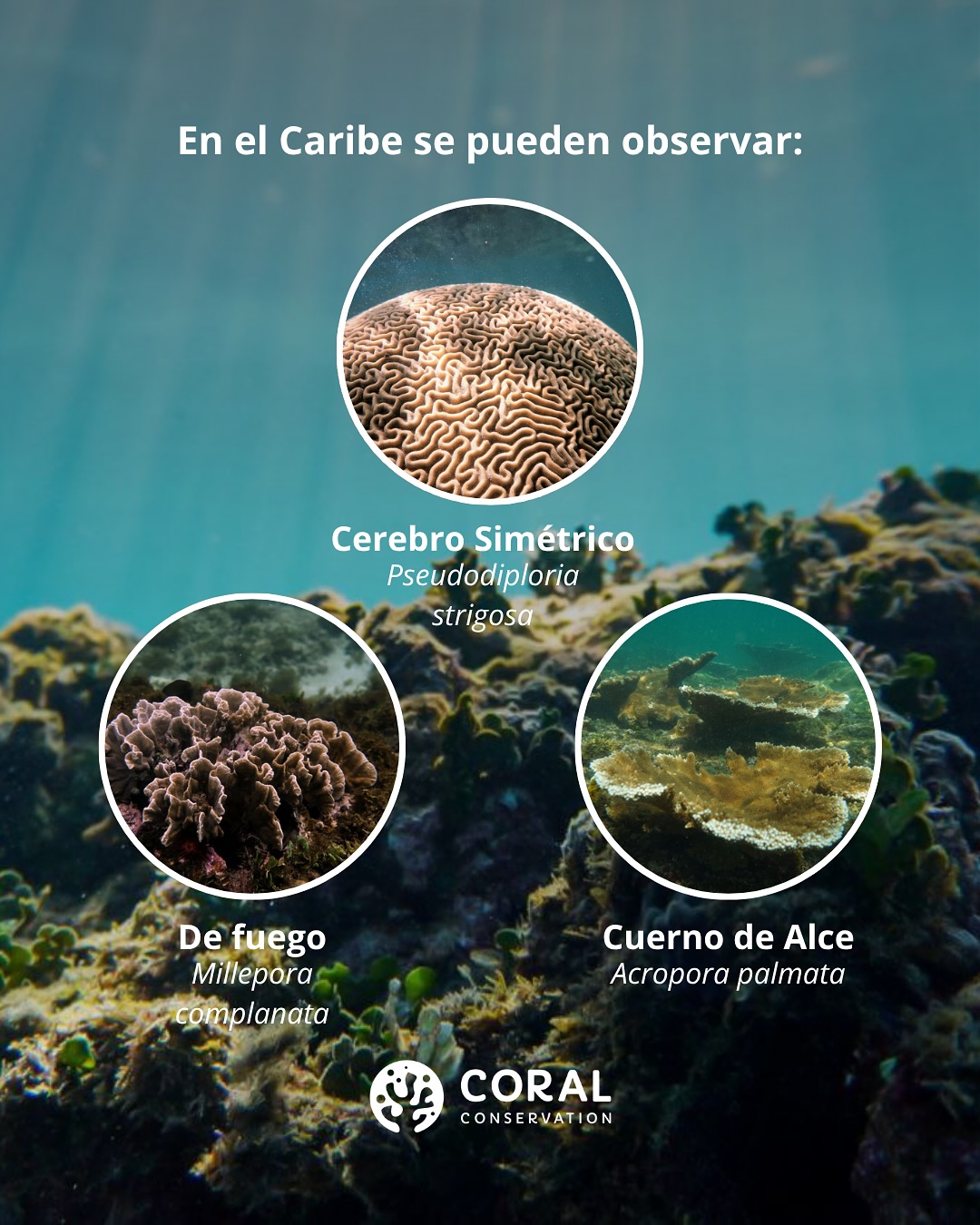
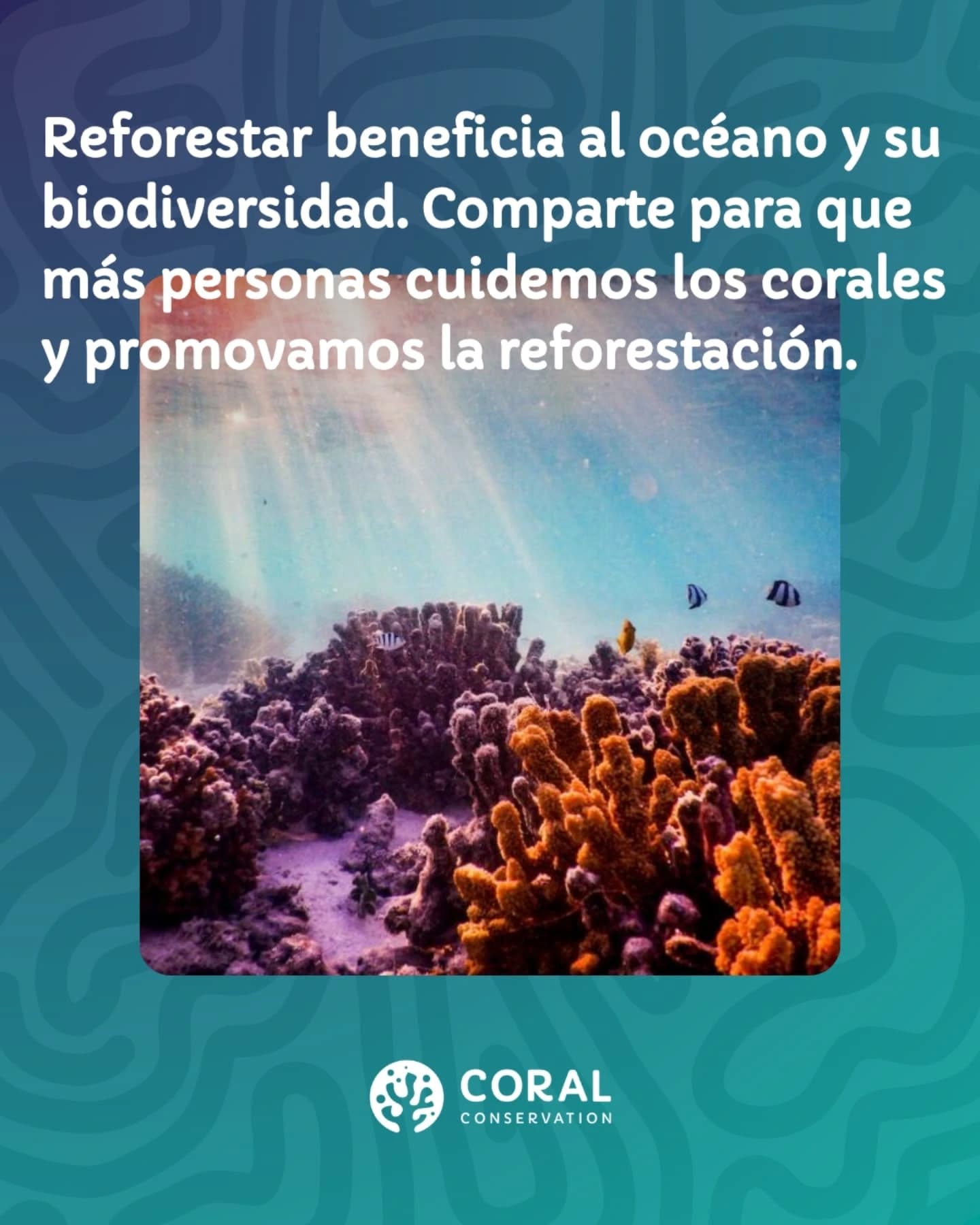
Virtual Reality (VR) Coral Reef Upgrade
Upgrade the Virtual Reality reef experience with new underwater footage, improved storytelling, and additional headsets. This allows visitors to “dive” into local Caribbean reef ecosystems without entering the ocean.
Budget Requirements:
Launch Coral Reef Monitoring Program
Start a long-term coral reef monitoring effort across 5 local sites, contributing data to the regional network with Adventure Scientists and UCR. This milestone includes volunteer training and the purchase of scientific monitoring equipment.
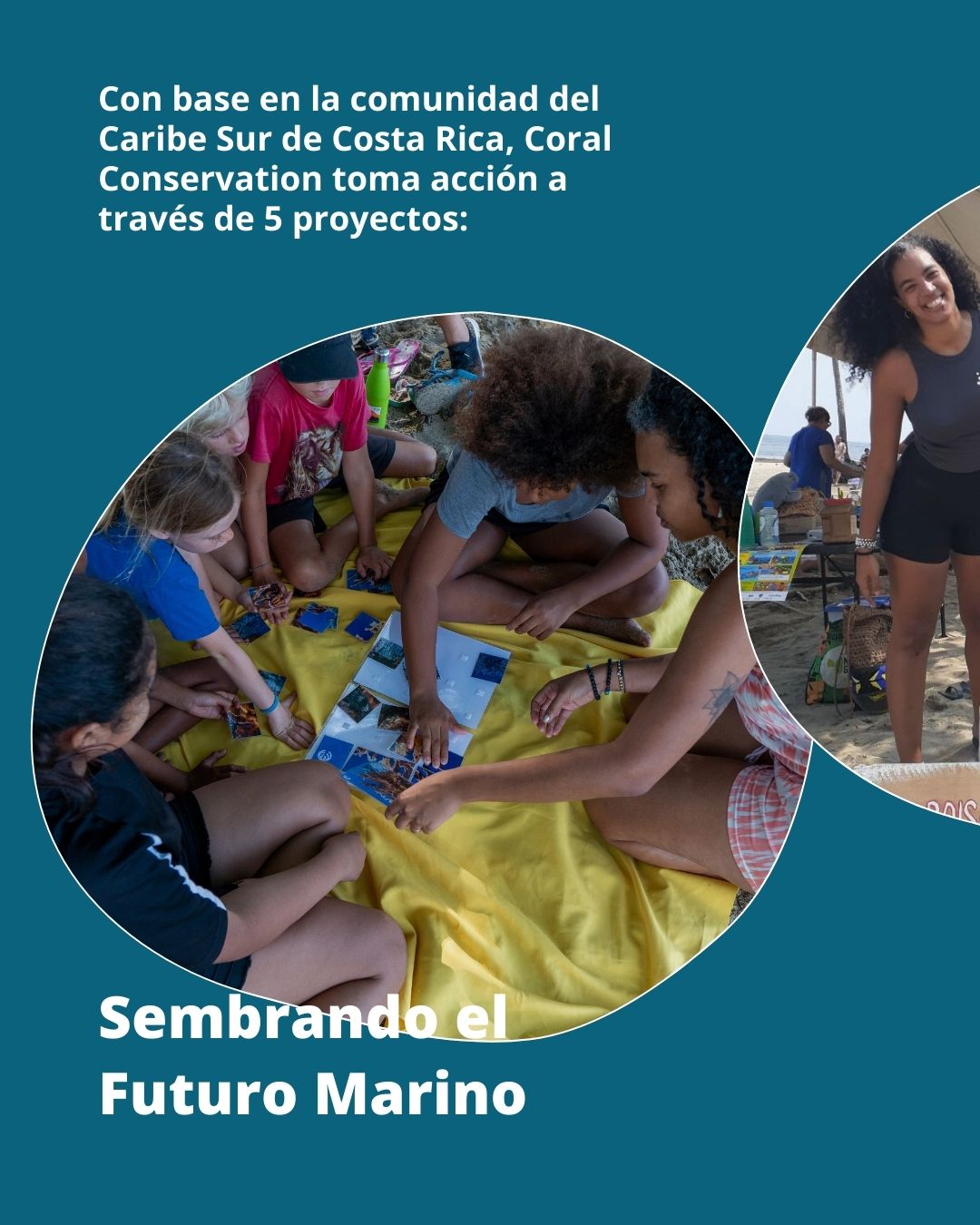
Volunteer Training & Educational Workshops
Train local volunteers, divers, students, and community members in reef ecology, monitoring techniques, and conservation practices. Conduct workshops at La Casa del Coral and partner schools.
Budget Requirements:
- Training materials &
Strengthen Staffing, Coordination & Operations
Support essential staffing for education, monitoring coordination, and program delivery. This ensures continuous operation of La Casa del Coral and supervision of fieldwork.
Budget Requirements:
- Part-time project coordinator: $3,000
Maintenance & Operational Support
Cover basic operational needs such as utilities, cleaning, and ongoing maintenance for both La Casa del Coral and the monitoring program’s equipment.
Budget Requirements:
- Utilities & cleaning: $1,200
- Facility and equipment mainte
Coral Conservation
Mission:
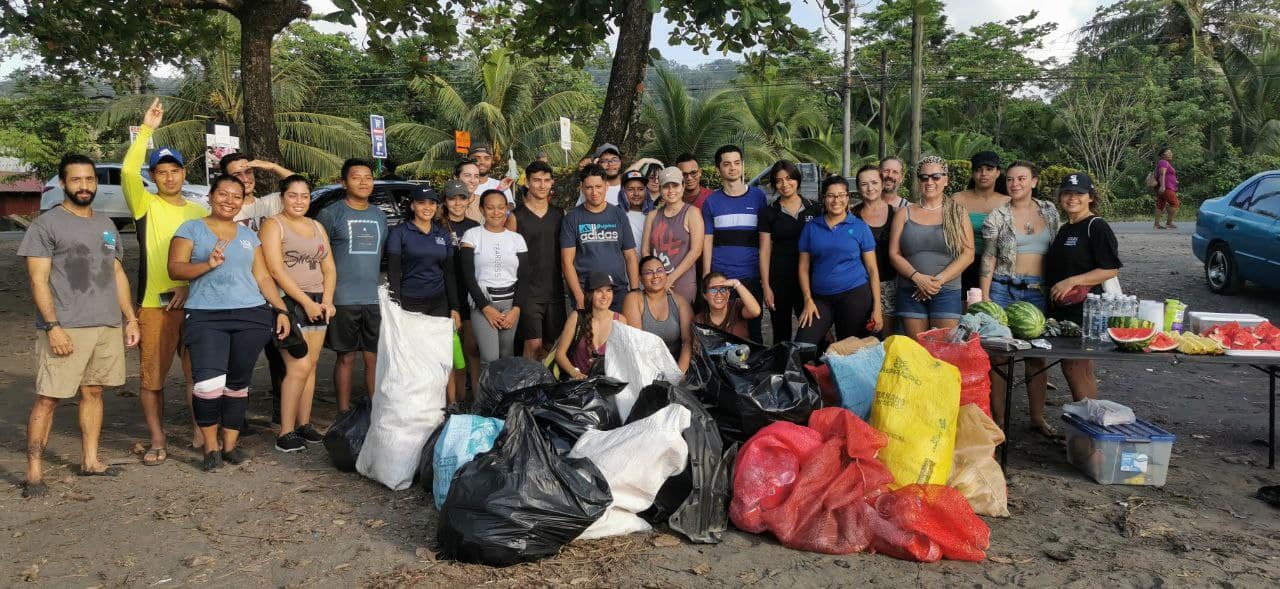
To protect the coral reefs of the Caribbean coast of Costa Rica - from Cahuita to Manzanillo - by engaging in scientific research, environmental education, ecosystem restoration (including beach/sea clean-ups and riverbank/coastal reforestation), and by mobilising community participation and support.
Vision:
A thriving Caribbean reef ecosystem in Costa Rica where coral reefs, marine biodiversity and local communities are resilient in the face of climate change - supported by an informed,
.jpg?alt=media&token=81e7a811-b9f8-4b18-a135-260403af049a)